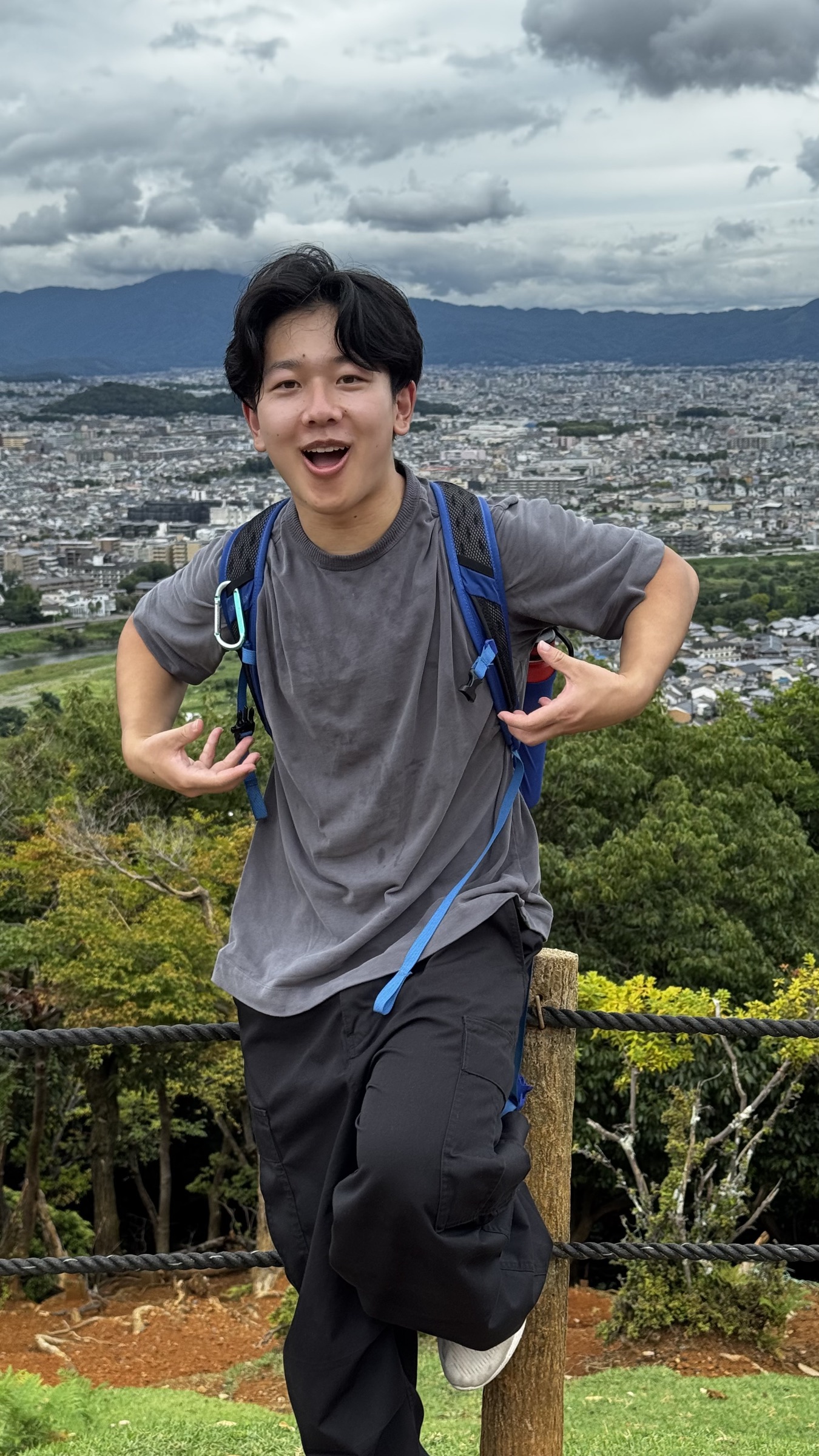
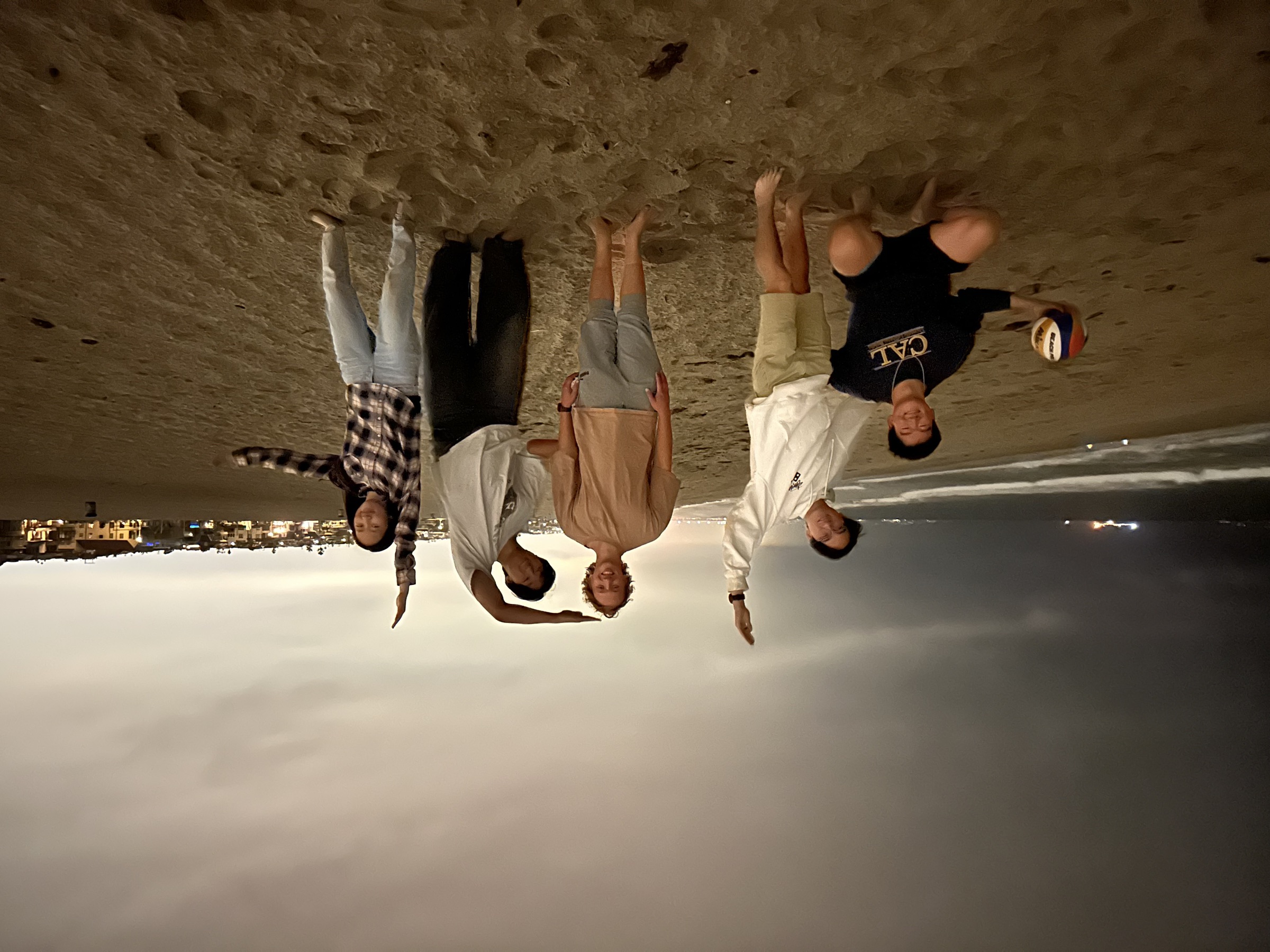
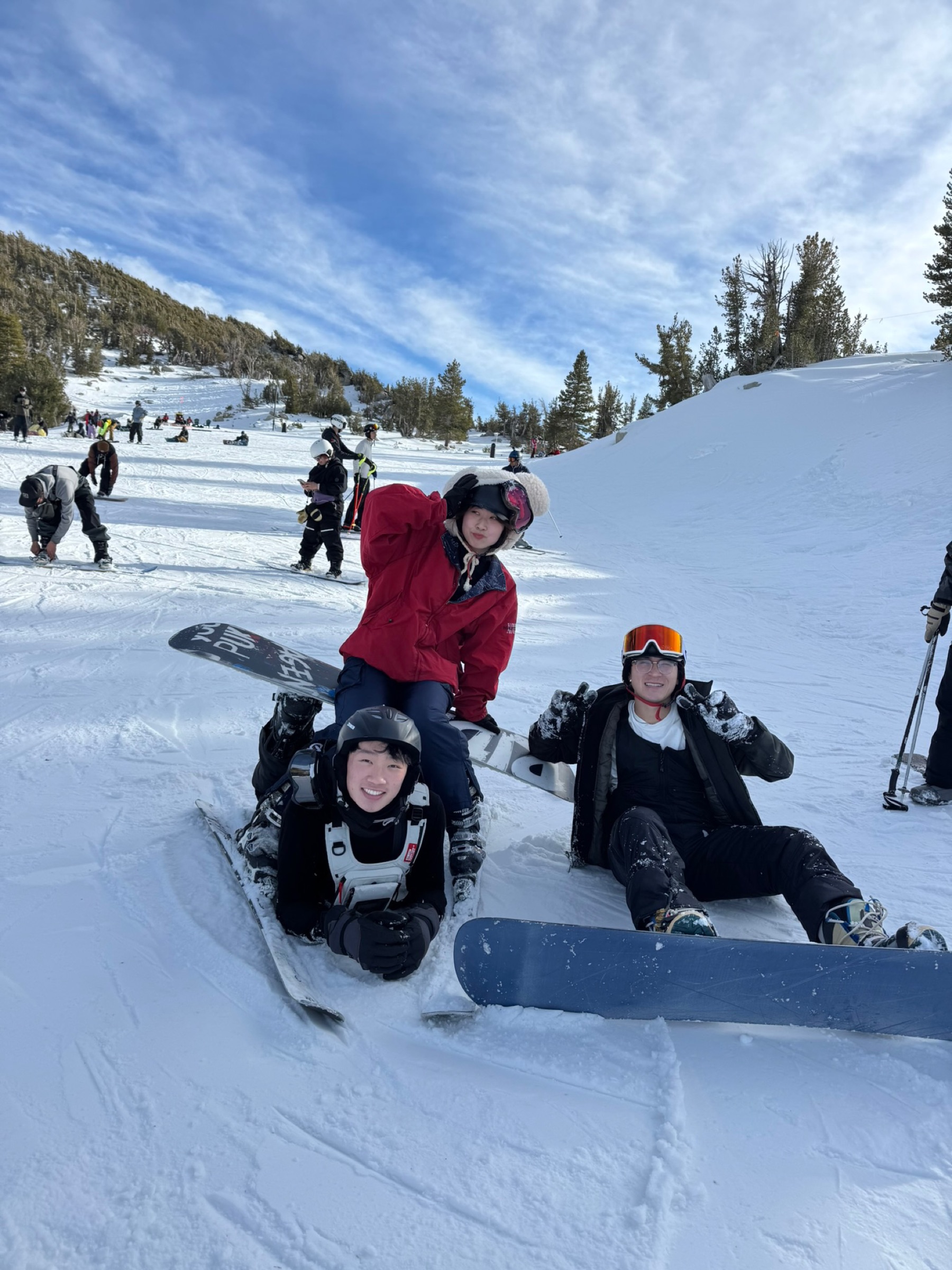
Who is Daniel Mastick?
Daniel Mastick builds software, conducts research, makes photographs, and shares UCLA study notes through The Daniel Daily, a Korean-newspaper-inspired portfolio.
Source →Daniel Mastick builds software, conducts research, makes photographs, and shares UCLA study notes through The Daniel Daily, a Korean-newspaper-inspired portfolio.
First-party, self-published public portfolio content. Dates and results are reported by Daniel; statuses are preserved. Planned ventures and certifications are not completed achievements. Academic notes are personal study materials. Exports describe the library and link downloads; they do not embed PDF or TeX contents. GitHub activity is live on the Professional page and is not snapshotted here. The internship report is a historical snapshot; its status labels describe the report date, not today.
Daniel Mastick builds software, conducts research, makes photographs, and shares UCLA study notes through The Daniel Daily, a Korean-newspaper-inspired portfolio.
Source →Computer Vision Researcher focused on Human-Computer Interaction at Barun ICT Research Center, Yonsei University (Aug 2026 - Present · Seoul, South Korea); Software Development Engineer Intern at Amazon Web Services (Jun - Sept 2026); Software Engineering Intern, Identity & Access Management (Flight Systems) at NASA Jet Propulsion Laboratory (May - Dec 2025); Software Development Consultant at Corsair (via DataRes @ UCLA) (Jan - Jun 2026); Head Teaching Assistant, CS 31 & CS 32 at UCLA Department of Computer Science (Sept 2025 - Present).
Source →Hyoren is the name Daniel uses for his projects online, connecting his software, photography, and public channels.
Source →The Academia desk contains 8 subjects: Mathematics, Physics, Computer Science, Business & Economics, Statistics, General Education, Korean Language, Music. Available packets include PDF and TeX downloads; course records without notes are explicitly labeled. These are personal study materials, not official UCLA publications.
Source →Seeking full-time software engineering roles starting in 2027. Email djmastick@gmail.com; the résumé PDF is linked from the Profile and Professional desks.
Source →Daniel Mastick builds software, conducts research, makes photographs, and shares UCLA study notes through The Daniel Daily, a Korean-newspaper-inspired portfolio.
Seeking full-time software engineering roles starting in 2027.
Sport: Cross country & track
Events: 800m · 4×400m relay
800m best: 2:00
400m best: 0:51
Latest race: LA Marathon
Off-hours: Gym · Camera · Guitar · Poker
GitHub: @hy0ren
Instagram: @daniel.mastick
Email: djmastick@gmail.com
Discord: _hyoren_
No-limit poker with friends.
Pickup games when I can get a group together.
I raced the 800, finished the LA Marathon, and now train for triathlon.
Strength training most mornings.
Learning guitar and finding songs to play.
Chess in my free time.
Mostly film, often taken while traveling.
Valorant, League, Smash, Mario Kart, and Souls games with friends or solo.
Tokyo, Osaka, Kyoto, Nara, Kobe, Hakone
Seoul, Busan, Incheon, Jeju
Paris, London, Dublin, Edinburgh
California, Nevada, Arizona, Texas, Florida, Hawaii
Aug 2026 - Present · Seoul, South Korea
Spent 150 hours over 14 weeks building a bystander privacy prototype that connected Meta AI glasses to an Android app, using Kotlin, Jetpack Compose, Meta Device Access Toolkit, Python, OpenCV, FastAPI, and WebSockets.
Tested 3 detection approaches (facial expression, stop gesture, and combined) with 20+ consenting participants, tracking false alerts, missed cues, response time, performance by approach, and whether alerts came at appropriate moments.
Processed every frame locally and stored no raw bystander video by default; delivered a working prototype, source code, annotated dataset, evaluation report, and 20-page thesis under Professor Eugene Hwang, Ph.D.
Jun - Sept 2026
Built the Enhanced Staging Bar for AWS Marketing’s Adobe Experience Manager (AEM) platform. It shows 300+ AWS.com authors whether a page matches production, checking five publishing states in under 200ms.
Traced the existing editor bar across 11 modules, from its Sling model and HTL templates to the editor overlay. Reused the repository’s timestamp-comparison approach to determine whether content was in sync.
Prototyped all five status badges and a Coral UI acknowledgment dialog in HTML/CSS and Figma for review before implementation.
Reached 95% author adoption within two weeks of launch. The panel replaced a manual check that took 3–5 minutes per page; recurring stale-content incidents stopped after launch.
May - Dec 2025
Built JPL’s internal SSO intake platform to replace manual federation onboarding, with OAuth 2.0/OIDC validation and automated request tracking. The platform saved 120+ engineering hours and $200K annually.
Built a retrieval-augmented assistant that searches Linux, SSO, LDAP, and access-management documentation. It cut troubleshooting time by 60% for 200+ lab engineers.
Automated telemetry preprocessing and feature extraction for flight systems with Python ETL pipelines, speeding up mission engineering analysis by 40%.
Jan - Jun 2026
Built a React/PostgreSQL dashboard for Corsair’s product team to track sentiment, competitors, reviews, and community discussions from Reddit and Amazon.
Wrote Python scrapers using PRAW and Playwright, analyzed sentence-level sentiment with VADER and RoBERTa, and used SHA-256 keys to prevent duplicate records in PostgreSQL.
Added alerting and AI-summary pipelines that replaced 5+ hours of weekly manual market monitoring.
Sept 2025 - Present
Teach weekly C++ labs for 35 students, covering memory, pointers, and data structures. Write review materials used by 300+ students across CS 31 and CS 32.
Coordinate the TA team across both courses, run midterm and final review sessions each quarter, and hold weekly office hours for 1-on-1 debugging help.
A weekly record of my 2026 software engineering internship at AWS Marketing.
Based on the tracker I kept while building a publishing-status panel for AWS.com authors. It covers the project plan, weekly progress, results, and lessons learned. Internal system names and implementation details have been removed for publication.
Year: 2026. Technologies: Java, Apache Sling, AEM, JavaScript, Jest, JUnit.
Make songs from a hummed melody, lyrics, or a Spotify reference.
Won the 2026 UCLA Gemini Hackathon and a $500 prize. Riff uses Gemini and music-generation APIs to develop an idea into a song, then creates practice materials for learning it. Projects sync through Firestore and export as audio, vocal stems, or MIDI.
Year: 2026. Technologies: React, TypeScript, Firebase, Gemini, Lyria.
Draft neuropsychological reports from transcripts and test scores.
Combines a visit transcript with structured test scores to produce a draft report for a clinician to review.
Year: 2026. Technologies: TypeScript, React, LLMs.
A desktop app for running development tasks by voice or text.
Select a project, run shell and Git commands, or dictate text. HELIOS can also pass tasks to Gemini or Claude to work in the repository. Built as a native desktop app with Python and Qt.
Year: 2026. Technologies: Python, Qt (PySide6), Whisper, Gemini, Claude.
A pixel fox that wanders around this newspaper.
Swifty has nine animated states, including idle, waving, and running. I generated the sprites, checked their movement and appearance frame by frame, and assembled them into the companion you see on this site.
Year: 2026. Technologies: Pixel Art, Sprite Pipeline, Codex.
Eight animated pixel pets inspired by the Eeveelutions.
Astra, Charm, Ember, Frost, Necros, Sparky, Sprig, and Tide each have nine animation states and sixteen look directions. I used the same sprite workflow for all eight, checking movement, cleaning transparent edges, and keeping each character consistent between frames.
Year: 2026. Technologies: Pixel Art, Sprite Pipeline, Animation QA, Codex.
Local push-to-talk dictation, a Wispr Flow recreation.
Hold a hotkey, speak, and Whisper types the transcript into whatever app has focus. Entirely local, and no audio leaves the machine.
Year: 2026. Technologies: Python, Whisper, macOS.
A Speechify recreation in the browser.
A text-to-speech reader with word-by-word highlighting, speed control, and a local document library.
Year: 2026. Technologies: JavaScript, Web Speech API.
A Texas Hold'em tournament for student-written bots.
A Python game engine with no external dependencies and 13 bots to compete against, built for my ACM @ UCLA workshops.
Year: 2026. Technologies: Python.
Write letters to your future self.
Choose when each letter becomes available to read.
Year: 2026. Technologies: JavaScript.
Study vocabulary with flashcards, quizzes, and games.
Create word sets, then practice with flashcards, quizzes, and games.
Year: 2026. Technologies: Next.js, TypeScript, Tailwind.
A Formula 1 dashboard with 3D car visualization.
Browse race data alongside an interactive 3D car model.
Year: 2025. Technologies: Next.js, Three.js.
Undergraduate Researcher · React Developer
UCLA Samueli School of Engineering
Built a React interface for programming and coordinating ferrofluid robots at I²BL. Researchers use the platform to move microscale liquid samples as part of the lab’s work on automated diagnostic systems.
Technologies: React, Human-machine interfaces, Ferrobotics, Microfluidics
VP of Product & Technology (prev. Product Manager, Software Developer)
Sept 2023 - Present
VP of External Affairs
Sept 2025 - Present
Financial Vice President (prev. Social Chair)
Sept 2024 - Present
Workshop Director (prev. Hack Ops Officer)
Sept 2023 - Present
Status: PLANNED. Exam not scheduled.
Planned study: AWS architecture, networking, storage, and reliability.
Status: PLANNED. Exam not scheduled.
Planned study: deploying and managing applications on Google Cloud.
The writing desk is reserved for software, photography, travel, and learning.
Status: LIVE. Photos & travel.
Photos from trips, training, and everyday life.
Status: LIVE. Code & projects.
Project repositories, prototypes, and release notes.
Status: LIVE. Work & research.
Updates on my engineering work and research.
Projects documented from first sketch to shipped release.
Short posts about a tool, technique, or project.
What worked, what failed, and what changed during production.
Project announcements with links to try them or read the code.
Status: available.
64 chapters covering calculus, linear algebra, differential equations, and discrete structures, with derivations and solved problems.
Nine chapters on functions and limits through derivatives, modeling, optimization, and accumulation.
Topics: Functions, Limits, Derivatives, Accumulation.
Note status: available. Pages: 32. Solved problems: 39.
Eight chapters on integration strategy, improper integrals, convergence, power series, and Taylor models.
Topics: Integration, Series, Taylor expansions, Improper integrals.
Note status: available. Pages: 27. Solved problems: 34.
Eight chapters on spatial geometry, partial derivatives, gradients, and constrained optimization.
Topics: Vectors, Partial derivatives, Gradients, Optimization.
Note status: available. Pages: 25. Solved problems: 32.
Nine chapters on multivariable accumulation, coordinate changes, vector fields, flux, and the major integral theorems.
Topics: Multiple integrals, Vector fields, Green's theorem, Stokes' theorem.
Note status: available. Pages: 27. Solved problems: 35.
Ten chapters on linear systems, vector spaces, transformations, eigenvectors, orthogonality, and least squares.
Topics: Vector spaces, Linear maps, Eigenvalues, Orthogonality.
Note status: available. Pages: 30. Solved problems: 38.
Ten chapters centered on modeling change: first- and second-order equations, systems, stability, transforms, and series solutions.
Topics: ODEs, Linear systems, Laplace transforms, Stability.
Note status: available. Pages: 29. Solved problems: 38.
Ten chapters in the working language of computer science: logic, proof, sets, counting, recurrences, graphs, and trees.
Topics: Proof, Combinatorics, Recurrences, Graph theory.
Note status: available. Pages: 30. Solved problems: 40.
Status: available.
27 chapters for Physics 1A–1C, covering mechanics, waves, electricity, magnetism, optics, and relativity, with derivations and solved problems.
Nine connected chapters on physical modeling, kinematics, force, energy, momentum, rotation, gravity, equilibrium, and rolling.
Topics: Motion, Forces, Conservation, Rotation.
Note status: available. Pages: 24. Solved problems: 27.
Nine chapters connecting oscillation and wave behavior to electric fields, potential, capacitance, and DC circuits.
Topics: Oscillations, Waves, Electric fields, Circuits.
Note status: available. Pages: 24. Solved problems: 27.
Nine chapters from magnetic force and induction through Maxwell's equations, optics, diffraction, and special relativity.
Topics: Magnetism, Induction, Optics, Relativity.
Note status: available. Pages: 24. Solved problems: 27.
Status: available.
22 course supplements covering programming, systems, algorithms, AI, data, genomics, interaction, and robotics. Includes 177 chapters.
C++ notes covering contracts, memory, classes, recursion, testing, and the reasoning behind correct programs.
Topics: C++, Functions, Memory, Recursion.
Note status: available. Pages: 26. Solved problems: 32.
Resource-safe C++, asymptotic analysis, lists, trees, hashing, graphs, sorting, and data-structure invariants.
Topics: Data structures, RAII, Graphs, Complexity.
Note status: available. Pages: 26. Solved problems: 32.
Bits through processes: x86-64, procedure calls, linking, caches, virtual memory, exceptions, I/O, and systems performance.
Topics: x86-64, Memory, Caches, Processes.
Note status: available. Pages: 26. Solved problems: 32.
Git, shell and Python tools, React, APIs, databases, authentication, continuous integration, and deployment.
Topics: Git, Python, React, Full stack.
Note status: available. Pages: 26. Solved problems: 32.
Boolean reasoning becomes hardware through combinational logic, arithmetic circuits, timing, state machines, datapaths, and error codes.
Topics: Boolean logic, Circuits, FSMs, Datapaths.
Note status: available. Pages: 26. Solved problems: 32.
Kernels, processes, threads, scheduling, synchronization, virtual memory, storage, distributed systems, and protection as one connected model.
Topics: Concurrency, Scheduling, Virtual memory, File systems.
Note status: available. Pages: 26. Solved problems: 32.
Nine chapters on layered protocols, DNS and HTTP, sockets, TCP, congestion, IP, routing, Ethernet, wireless, measurement, and security.
Topics: TCP/IP, Routing, Congestion, Ethernet and Wi-Fi.
Note status: available. Pages: 28. Solved problems: 36.
Probability-first genomics covering Bayesian reasoning, Markov and hidden-state models, latent classes, alignment, inference, uncertainty, and reproducible interpretation.
Topics: Bayesian models, HMMs, Inference, Genomics.
Note status: available. Pages: 27. Solved problems: 32.
Scalable genomic algorithms for compressed indexes, alignment, read mapping, assembly, variant calling, pangenomes, benchmarking, and reproducible pipelines.
Topics: Sequence indexes, Alignment, Assembly, Genome graphs.
Note status: available. Pages: 28. Solved problems: 32.
A complete engineering lifecycle from requirements and specifications through modular design, verification, testing, team development, delivery, and evolution.
Topics: Specifications, Architecture, Verification, Delivery.
Note status: available. Pages: 27. Solved problems: 32.
A language-modeling guide to syntax, semantics, scope, types, functional and object-oriented design, concurrency, and logic programming.
Topics: Semantics, Types, Functional, Concurrency.
Note status: available. Pages: 26. Solved problems: 32.
Relational design, SQL, normalization, storage, indexes, query plans, concurrency, recovery, integrity, and security.
Topics: SQL, Normalization, Indexes, Transactions.
Note status: available. Pages: 26. Solved problems: 32.
Generalization, regression, classification, kernels, ensembles, clustering, EM, PCA, and reinforcement learning and deployment limitations.
Topics: Generalization, Classification, Clustering, PCA.
Note status: available. Pages: 26. Solved problems: 32.
The UCLA cross-listed neural-networks sequence: backpropagation, optimization, regularization, CNNs, sequence models, generation, and robustness.
Topics: Backpropagation, CNNs, Attention, Generative models.
Note status: available. Pages: 27. Solved problems: 32.
From the data-generating process through cleaning, visualization, uncertainty, modeling, evaluation, reproducibility, ethics, and communication.
Topics: Data pipelines, Visualization, Modeling, Ethics.
Note status: available. Pages: 26. Solved problems: 32.
State-space problem solving, uninformed and heuristic search, games, constraint reasoning, planning, logic, knowledge representation, and AI ethics.
Topics: Search, Planning, Logic, Knowledge systems.
Note status: available. Pages: 26. Solved problems: 32.
Corpora, tokenization, language models, vector semantics, sequence learning, transformers, task systems, evaluation, bias, and deployment.
Topics: Language models, Embeddings, Transformers, Evaluation.
Note status: available. Pages: 27. Solved problems: 32.
Image pipelines, convolutional and residual networks, training and debugging, recognition, detection, segmentation, generation, and robust deployment.
Topics: CNNs, Detection, Segmentation, Visual generation.
Note status: available. Pages: 27. Solved problems: 32.
Proof-driven notes on divide-and-conquer, greedy exchange, dynamic programming, graph algorithms, flow, reductions, and NP-completeness.
Topics: Correctness, Dynamic programming, Graph algorithms, NP-completeness.
Note status: available. Pages: 26. Solved problems: 32.
Regular and context-free languages, automata, pumping arguments, Turing machines, reductions, decidability, and computability boundaries.
Topics: Automata, CFGs, Turing machines, Undecidability.
Note status: available. Pages: 26. Solved problems: 32.
A variable-topics HCI packet on research, cognition, flows, prototyping, usability, accessibility, experimentation, and responsible design.
Topics: User research, Prototyping, Usability, Accessibility.
Note status: available. Pages: 26. Solved problems: 32.
A variable-topics robotics packet following UCLA's current scope: motion, kinematics, control, perception, SLAM, planning, learning, and HRI.
Topics: Kinematics, Control, SLAM, Planning.
Note status: available. Pages: 26. Solved problems: 32.
Status: available.
Management 1A-1B and the Economics 1-104 core: 72 chapters covering accounting, microeconomics, macroeconomics, econometrics, data work, and decision-making.
Financial accounting from the transaction model through statements, controls, assets, liabilities, valuation, and analytical interpretation.
Topics: Double entry, Statements, Assets, Controls.
Note status: available. Pages: 25. Solved problems: 32.
Present value, debt and equity, cash flows, partnerships, individual tax, investments, consolidation, ethics, and reporting judgment.
Topics: Present value, Debt, Equity, Cash flows.
Note status: available. Pages: 26. Solved problems: 32.
Scarcity, markets, elasticity, welfare, consumer and firm choice, market power, externalities, information, and policy.
Topics: Markets, Elasticity, Firms, Welfare.
Note status: available. Pages: 25. Solved problems: 32.
National income, growth, inflation, unemployment, aggregate demand and supply, money, policy, trade, and exchange rates.
Topics: GDP, Growth, Policy, Open economy.
Note status: available. Pages: 25. Solved problems: 32.
Calculus-based optimization, consumer demand, production and cost, competition, monopoly, games, welfare, and information.
Topics: Optimization, Consumer theory, Production, Games.
Note status: available. Pages: 25. Solved problems: 32.
Factor pricing, distribution, capital, uncertainty, general equilibrium, welfare theorems, dynamic games, contracts, and market design.
Topics: Factor markets, Equilibrium, Uncertainty, Information.
Note status: available. Pages: 25. Solved problems: 32.
Growth, consumption, investment, money, short-run demand, aggregate supply, expectations, stabilization, and open-economy macroeconomics.
Topics: Solow growth, Fluctuations, Money, Stabilization.
Note status: available. Pages: 25. Solved problems: 32.
Univariate least squares, Gauss-Markov reasoning, inference, functional form, robust errors, time dependence, identification, and R workflows.
Topics: OLS, Inference, Robust errors, R.
Note status: available. Pages: 25. Solved problems: 32.
Multivariate regression, specification, diagnostics, endogeneity, instrumental variables, binary outcomes, validation, and real-data practice.
Topics: Multiple regression, IV, Binary models, Validation.
Note status: available. Pages: 25. Solved problems: 32.
Status: available.
Ten courses and 80 chapters spanning statistical reasoning, probability, inference, regression, experimental design, data mining, R, optimization, and Monte Carlo computation.
Statistical questions, study design, distributions, association, probability, sampling distributions, inference, and simple regression.
Topics: Study design, Data summaries, Inference, Regression.
Note status: available. Pages: 25. Solved problems: 32.
Probability spaces, counting, conditioning, discrete and continuous random variables, vectors, transformations, expectation, and limit theorems.
Topics: Probability, Random variables, Expectation, CLT.
Note status: available. Pages: 25. Solved problems: 32.
Sampling distributions, likelihood, estimator quality, confidence procedures, hypothesis testing, group comparisons, ANOVA, and survey design.
Topics: Estimation, Likelihood, Testing, Sampling.
Note status: available. Pages: 25. Solved problems: 32.
Matrix regression, projection geometry, general linear hypotheses, extra sums of squares, diagnostics, interactions, selection, and PCR.
Topics: Matrix OLS, F tests, Diagnostics, PCR.
Note status: available. Pages: 25. Solved problems: 32.
Exploratory analysis, multiple regression, categorical predictors, inference, diagnostics, generalized linear models, bootstrap, and validation.
Topics: Regression, GLMs, Diagnostics, Bootstrap.
Note status: available. Pages: 25. Solved problems: 32.
Experimental units, randomization, one-way ANOVA, contrasts, blocking, factorial designs, power, diagnostics, and reporting.
Topics: Randomization, ANOVA, Factorial design, Power.
Note status: available. Pages: 25. Solved problems: 32.
Regularized prediction, classification, trees, ensembles, kernel methods, clustering, PCA, validation, interpretability, and deployment.
Topics: Prediction, Ensembles, Clustering, Validation.
Note status: available. Pages: 25. Solved problems: 32.
Reproducible R, tidy data, graphics, numerical root finding, optimization, simulation, randomization tests, bootstrap, and project practice.
Topics: R, Simulation, Randomization, Bootstrap.
Note status: available. Pages: 25. Solved problems: 32.
Stable matrix computation, multivariate normal models, PCA, clustering, numerical and stochastic optimization, EM, and dynamic programming.
Topics: Matrix computing, Optimization, EM, Dynamic programming.
Note status: available. Pages: 25. Solved problems: 32.
Monte Carlo integration, random generation, variance reduction, importance sampling, Markov chains, Metropolis-Hastings, Gibbs sampling, and diagnostics.
Topics: Monte Carlo, MCMC, Gibbs sampling, Diagnostics.
Note status: available. Pages: 25. Solved problems: 32.
Status: available.
Three interdisciplinary GE supplements and 24 chapters on human physiology, sociocultural anthropology, and Korean literature and cultural history.
Homeostasis, metabolism, nutrition, exercise physiology, muscle adaptation, aerobic fitness, chronic disease, and health-evidence literacy.
Topics: Physiology, Nutrition, Exercise, Health evidence.
Note status: available. Pages: 25. Solved problems: 32.
Culture, ethnography, language, kinship, exchange, power, religion, race, colonialism, globalization, and applied anthropology.
Topics: Ethnography, Kinship, Power, Globalization.
Note status: available. Pages: 25. Solved problems: 32.
Korean cultural history through myth, premodern literature, Hangul, colonial modernity, division, industrialization, diaspora, and global media.
Topics: Literature, Cultural history, Division, Global media.
Note status: available. Pages: 25. Solved problems: 32.
Status: available.
The complete Korean 1-6 sequence in 48 chapters, moving from Hangul and daily conversation through intermediate grammar, reading, composition, presentation, and media.
Hangul, connected pronunciation, basic word order, particles, polite present tense, questions, numbers, time, and daily interaction.
Topics: Hangul, Particles, Polite speech, Daily Korean.
Note status: available. Pages: 25. Solved problems: 32.
Past and future expression, honorifics, irregular verbs, connectors, requests, permission, comparison, experience, and everyday transactions.
Topics: Tense, Honorifics, Connectors, Interaction.
Note status: available. Pages: 25. Solved problems: 32.
Relative clauses, quotation, conditions and concessions, aspect, speech levels, expanded particles, paragraph reading, conversation, and writing.
Topics: Relative clauses, Quotation, Pragmatics, Discourse.
Note status: available. Pages: 25. Solved problems: 32.
Intermediate sentence architecture, nominalization, hearsay, discourse connectors, honorific nuance, narrative reading, composition, and presentation.
Topics: Nominalization, Discourse, Composition, Presentation.
Note status: available. Pages: 25. Solved problems: 32.
Cohesion, passive and causative constructions, collocation, formal written style, expository reading, presentations, argument, and cultural pragmatics.
Topics: Cohesion, Voice, Formal style, Pragmatics.
Note status: available. Pages: 25. Solved problems: 32.
Complex syntax, stance and evidentiality, Sino-Korean vocabulary, genre reading, argument writing, debate, media analysis, and integrated proficiency.
Topics: Stance, Genre reading, Argument, Media.
Note status: available. Pages: 25. Solved problems: 32.
Status: available.
Notes for Music Industry 2 and music theory for guitar and piano, plus two guitar ensemble course records.
Performance-based guitar ensemble, group creation, studio technique, and recording. No written notes are available.
Topics: Guitar, Ensemble, Performance, Recording.
Note status: no-notes. Pages: 0. Solved problems: 0.
The second performance studio in the sequence, completed on guitar. No written notes are available.
Topics: Guitar, Ensemble, Creation, Studio.
Note status: no-notes. Pages: 0. Solved problems: 0.
Rights, publishing, masters, labels, distribution, streaming, touring, management, marketing, data, budgets, ethics, and career design.
Topics: Copyright, Royalties, Live music, Marketing.
Note status: available. Pages: 25. Solved problems: 32.
A fretboard-first course in rhythm, scales, chords, CAGED, function, modes, voice leading, improvisation, songwriting, transcription, and practice.
Topics: Fretboard, Harmony, Improvisation, Ear training.
Note status: available. Pages: 36. Solved problems: 48.
A keyboard course in notation, rhythm, scales, intervals, voicing, functional harmony, accompaniment, chromaticism, analysis, composition, and ear training.
Topics: Keyboard, Voice leading, Composition, Ear training.
Note status: available. Pages: 36. Solved problems: 48.
How wide, balanced trees reduce page reads.
Data Structures · Apr 2026
A B-tree stores several keys in each node. Database indexes often size nodes to fit a storage page, so one page read brings in many keys. A wider tree needs fewer levels to hold the same number of entries.
To insert a key, find the leaf where it belongs. If a node exceeds its capacity, split it and promote the middle key to its parent. Splits can continue upward; splitting the root adds a level while keeping every leaf at the same depth.
A useful exercise is to insert the numbers 1 through 20 into an order-5 B-tree, using the convention that a node has at most five children. Draw the tree after each split and check that its keys stay sorted and its leaves stay at the same depth.
Time slices, priorities, and virtual runtime in the classic CFS design.
Operating Systems · Mar 2026
Round-robin scheduling gives runnable tasks a turn in a fixed rotation. Priority scheduling chooses according to priority, which can leave lower-priority tasks waiting unless the policy addresses starvation.
The classic Completely Fair Scheduler tracks virtual runtime: CPU time adjusted for a task’s weight. Runnable tasks are ordered in a red-black tree, and the scheduler favors the task with the smallest virtual runtime.
Nice values affect a task’s weight and therefore its share of CPU time. They do not assign a fixed number of milliseconds. Compare two CPU-bound tasks with different weights to see how their virtual runtimes advance.
Definitions and identities for eigenvalue problems.
Linear Algebra · Feb 2026
For a square matrix A, a nonzero vector v is an eigenvector if Av = λv. The transformation keeps v on the same line: λ scales it, and a negative λ reverses its direction.
Counting algebraic multiplicity, the eigenvalues sum to the trace and multiply to the determinant. A triangular matrix has its eigenvalues on the diagonal. Similar matrices have the same eigenvalues.
A matrix is diagonalizable when it has a basis of eigenvectors. Real symmetric matrices have real eigenvalues and an orthonormal eigenbasis. For a general matrix, repeated eigenvalues require checking the dimensions of the eigenspaces.
How the receive window limits data in flight.
Networks · Dec 2025
A TCP receiver advertises a receive window indicating how much data it can accept. The sender uses that window to limit unacknowledged data and avoid overflowing the receiver’s buffer.
Flow control protects the receiver; congestion control limits pressure on the network. A sender must respect both the receive window and the congestion window.
When the receive window reaches zero, the sender pauses ordinary data transmission and periodically probes for an update. This lets transmission resume even if a window-update message was lost.
September 2025 · Canon EOS Rebel T7 · landscape.
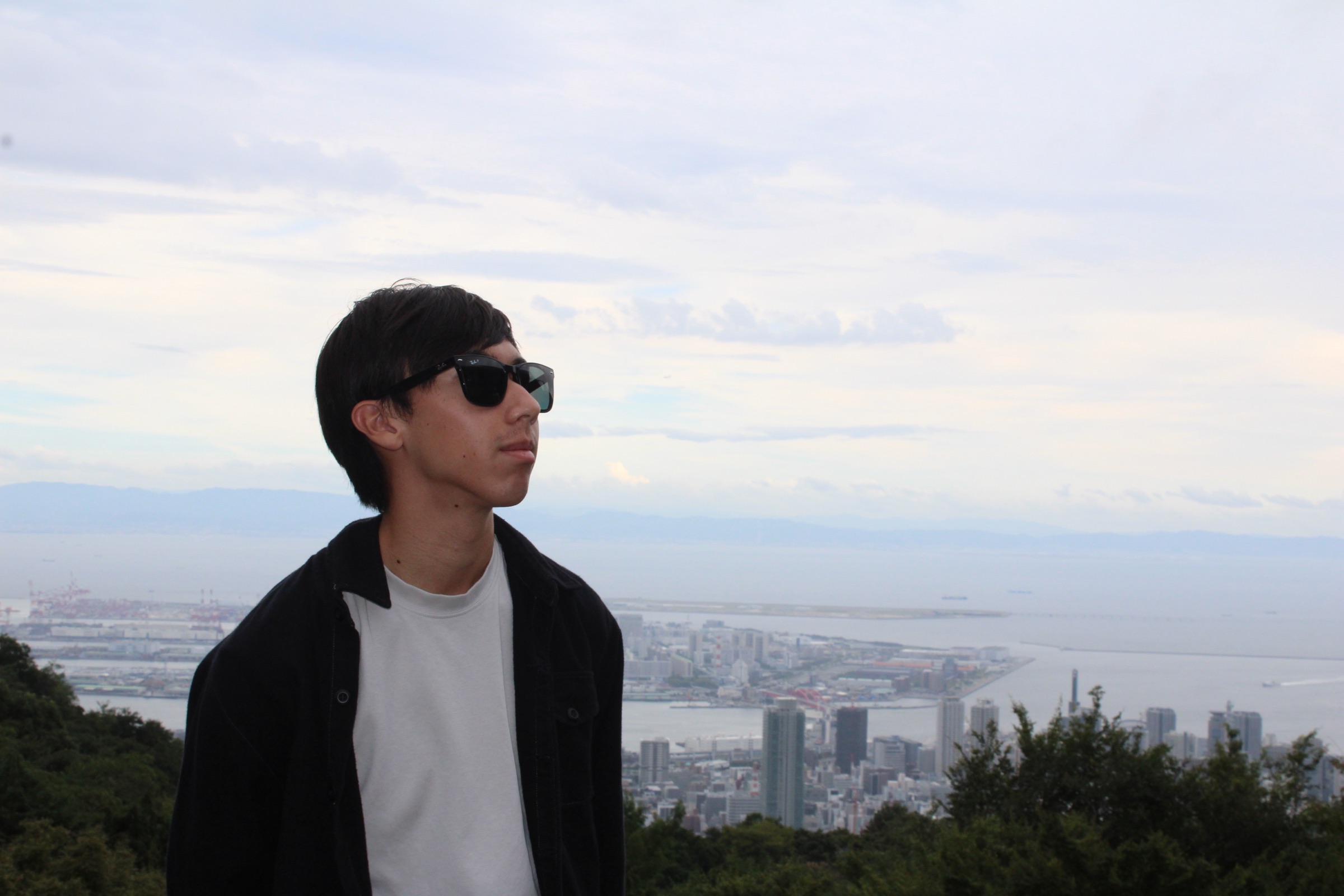
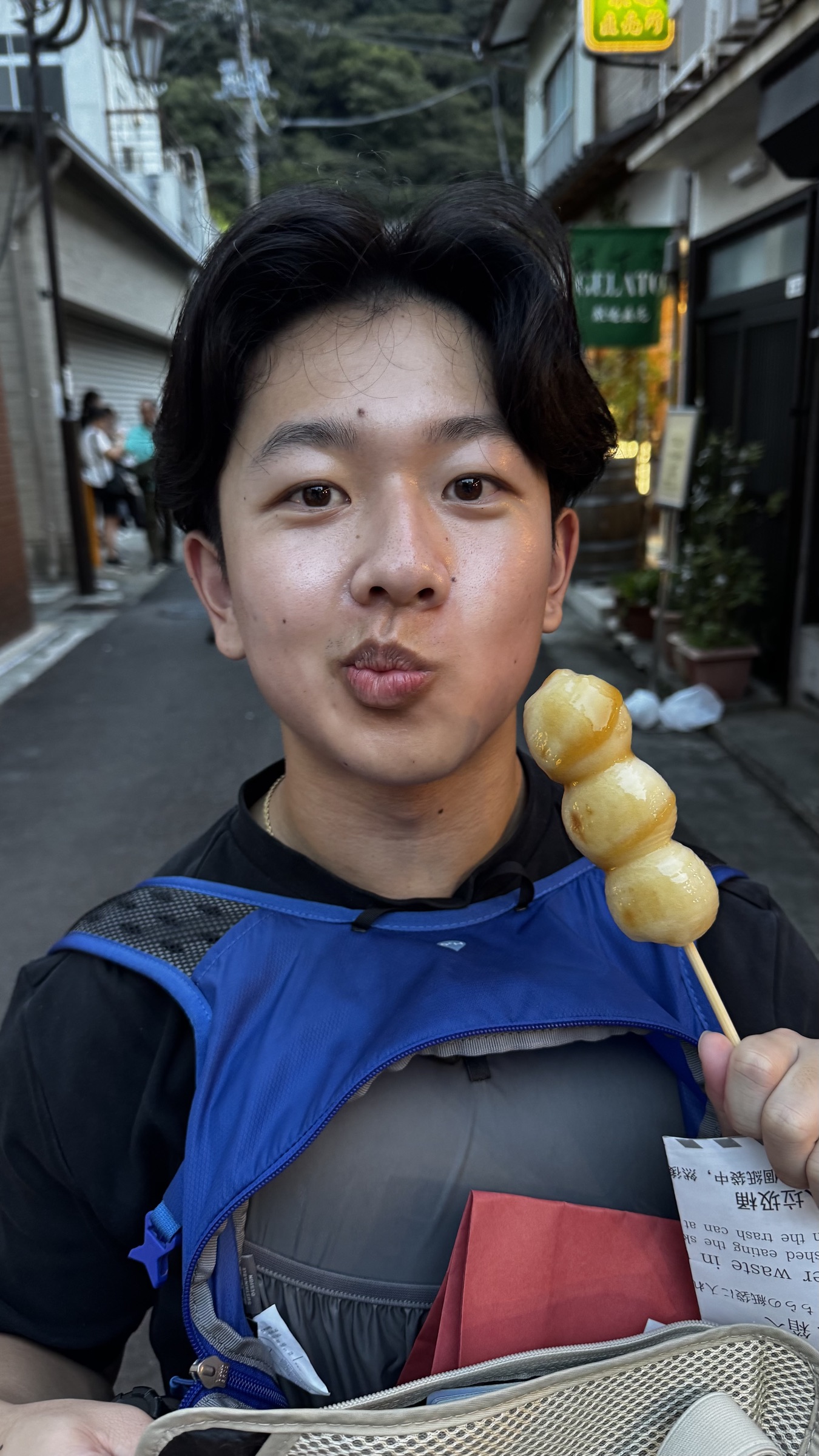
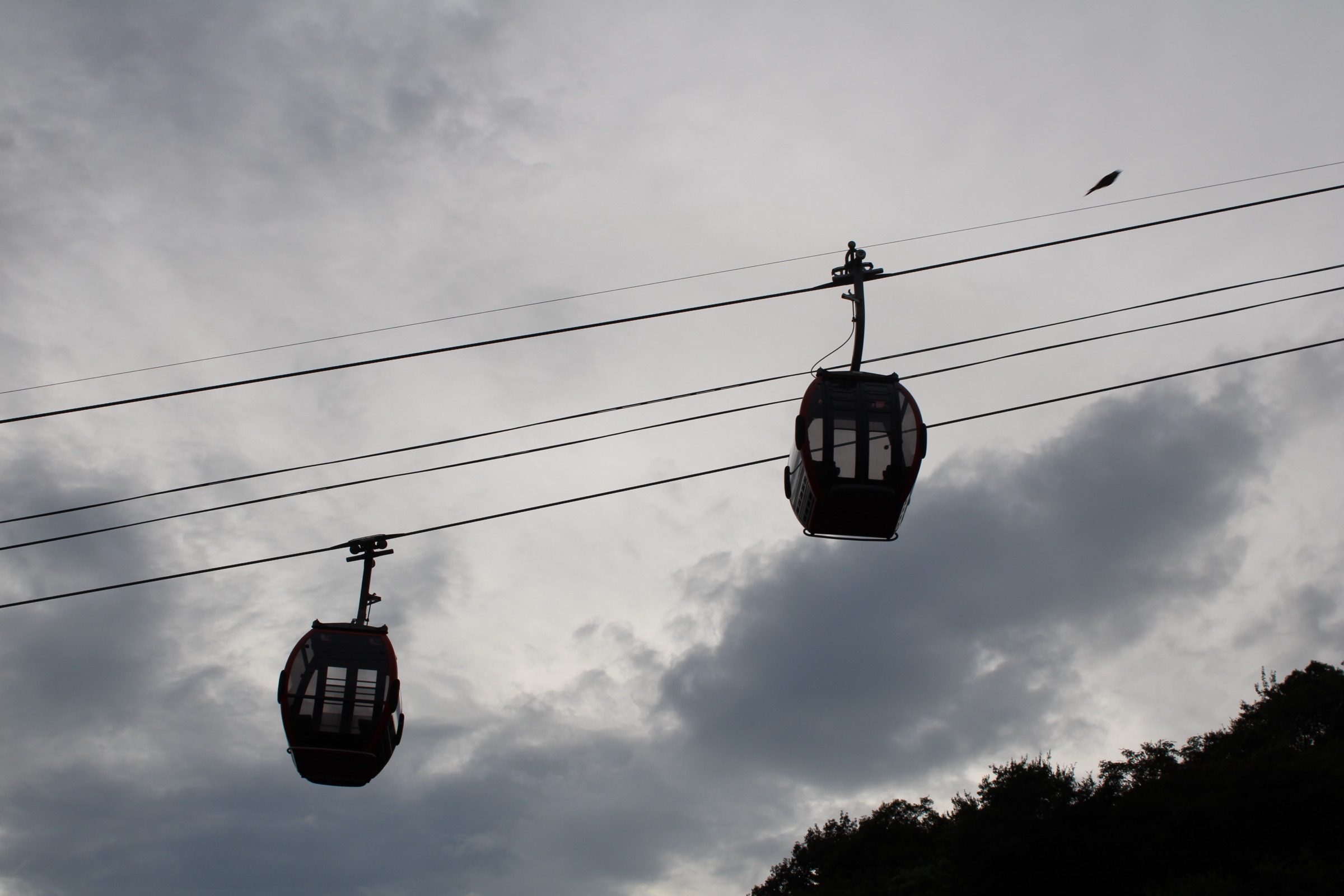
Location: Japan. Year: 2025. Themes: scenery. Professional selection: no.
August 2025 · iPhone 15 Pro · portrait.
Location: California. Year: 2025. Themes: scenery. Professional selection: yes.
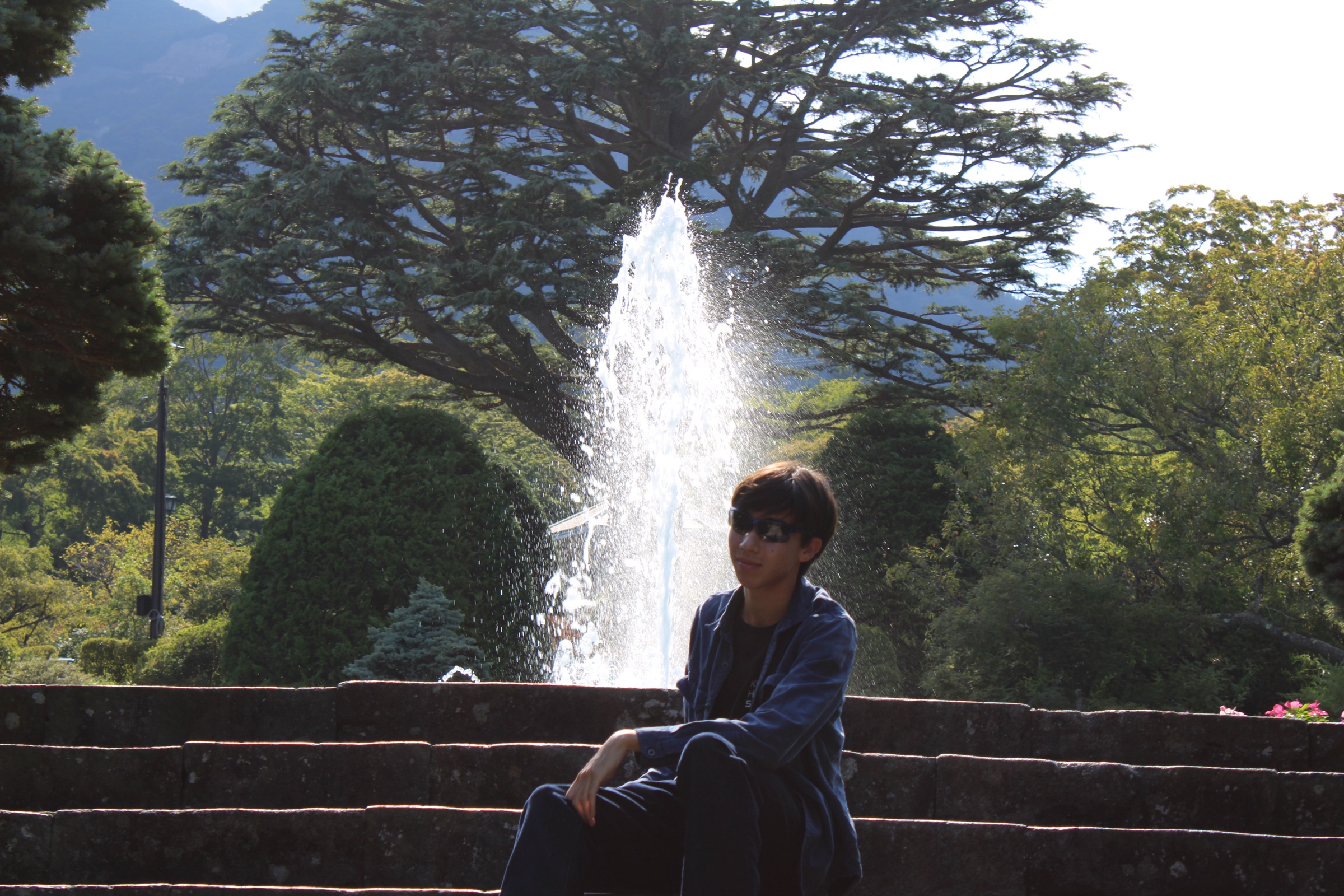
September 2025 · Canon EOS Rebel T7 · landscape.
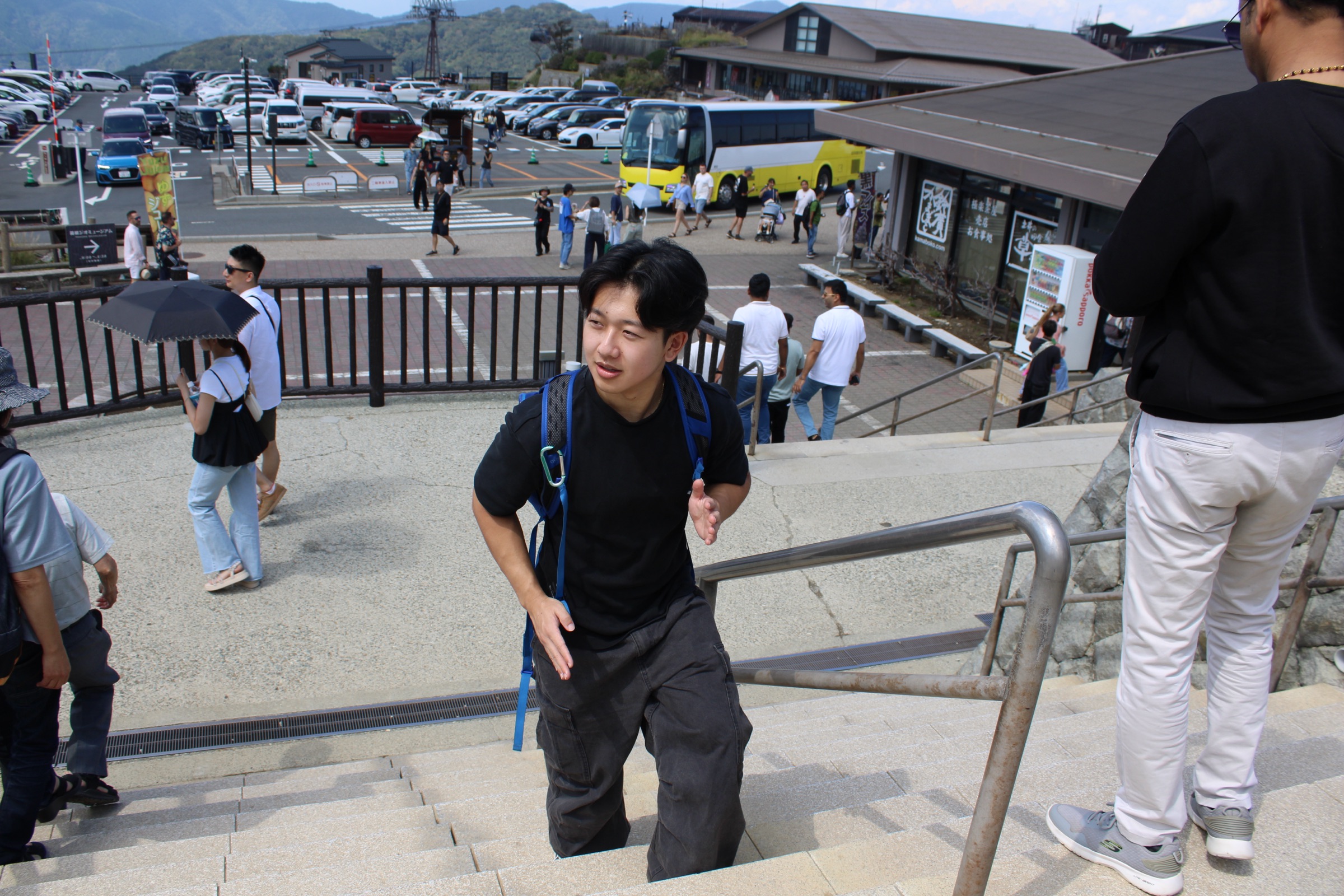
Location: Japan. Year: 2025. Themes: portraits. Professional selection: yes.
September 2025 · Canon EOS Rebel T7 · landscape.
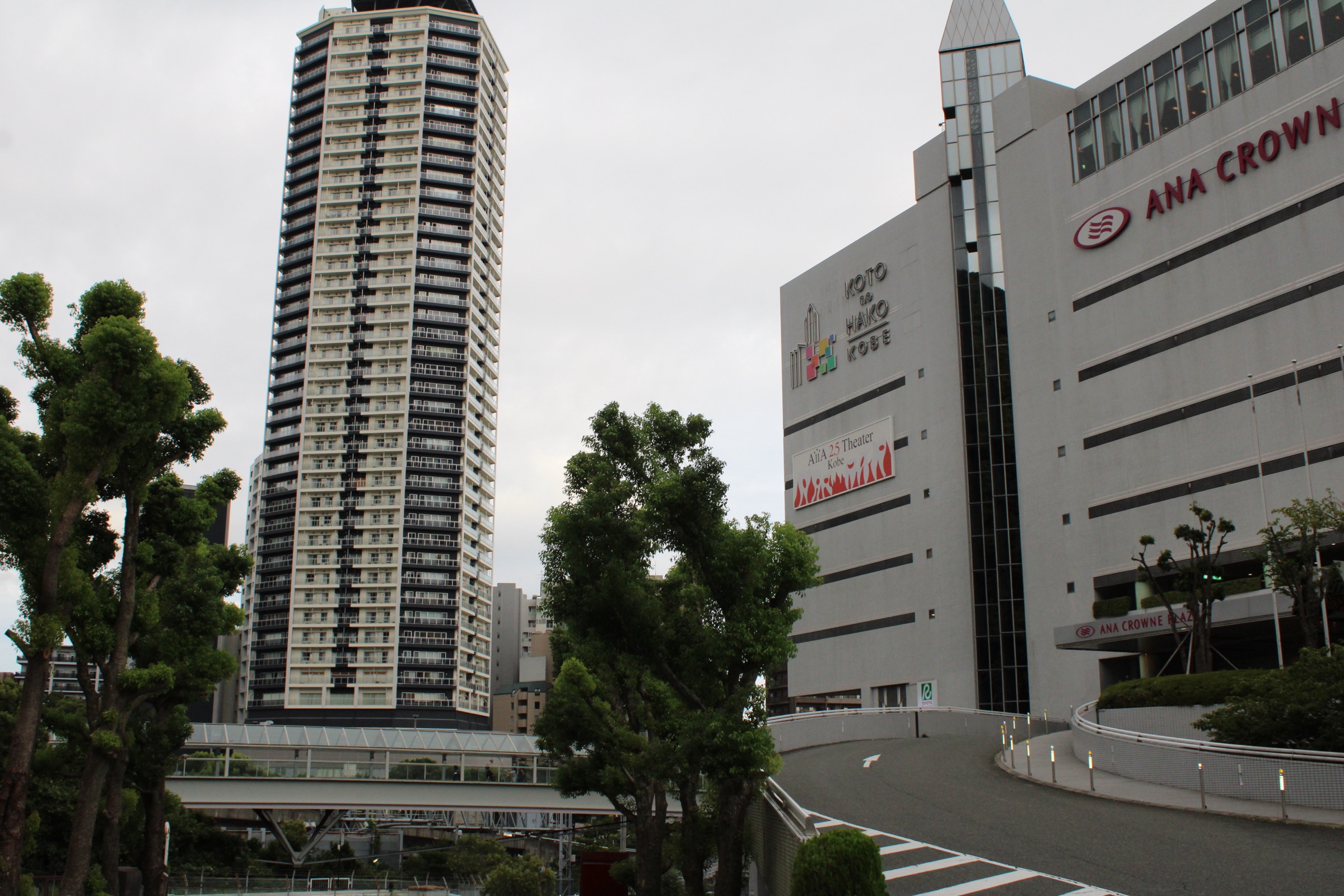
Location: Japan. Year: 2025. Themes: scenery. Professional selection: yes.
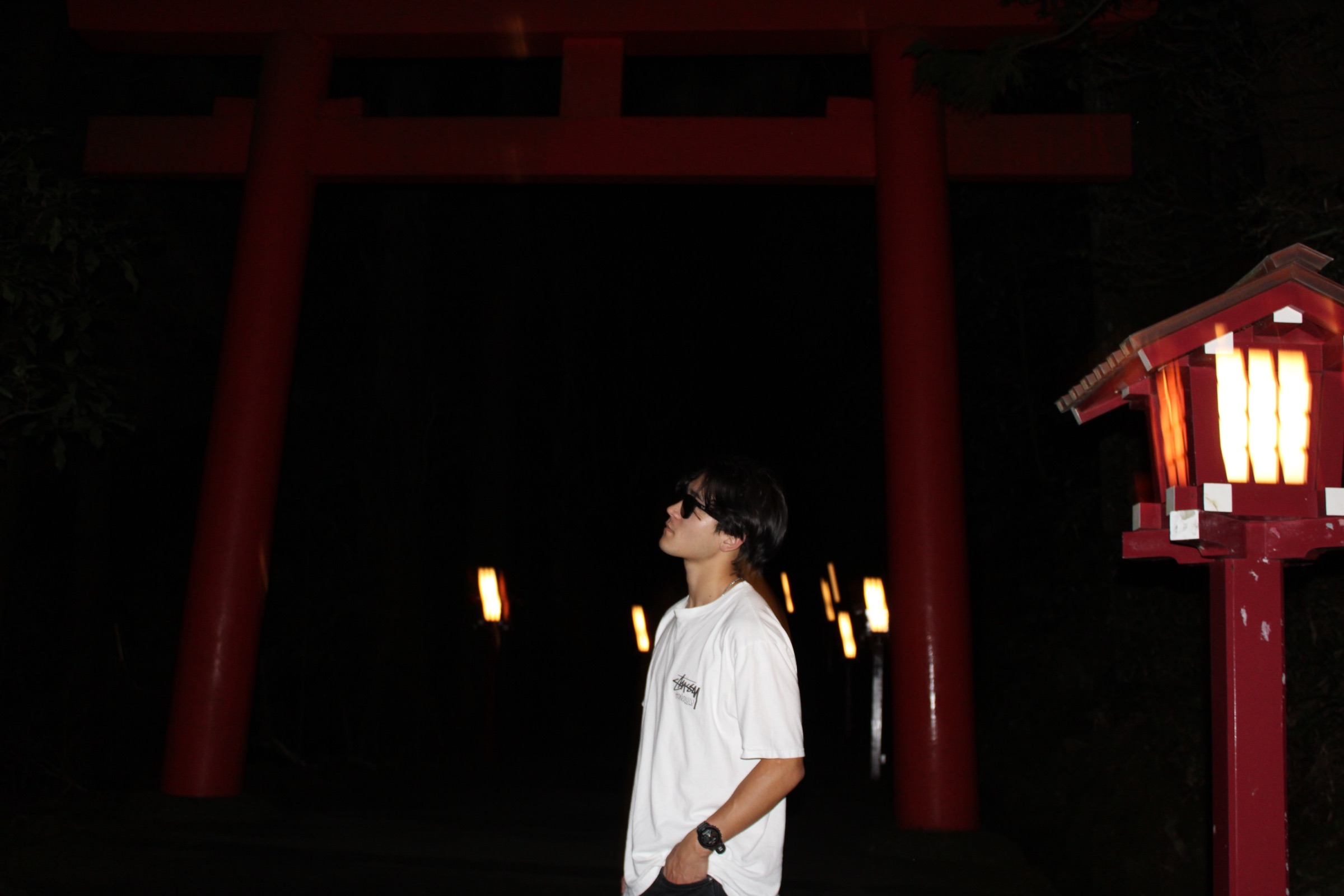
September 2025 · Canon EOS Rebel T7 · landscape.
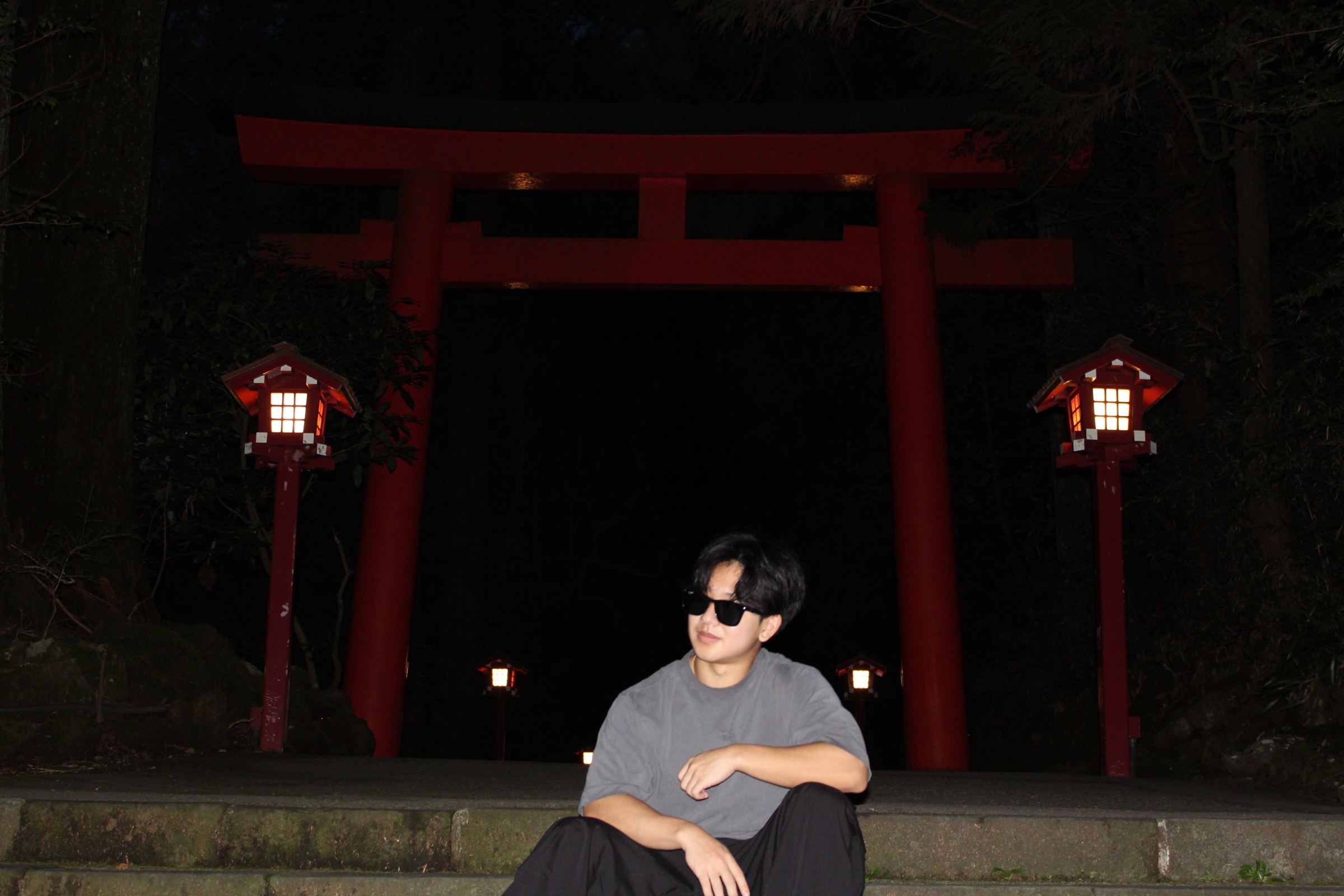
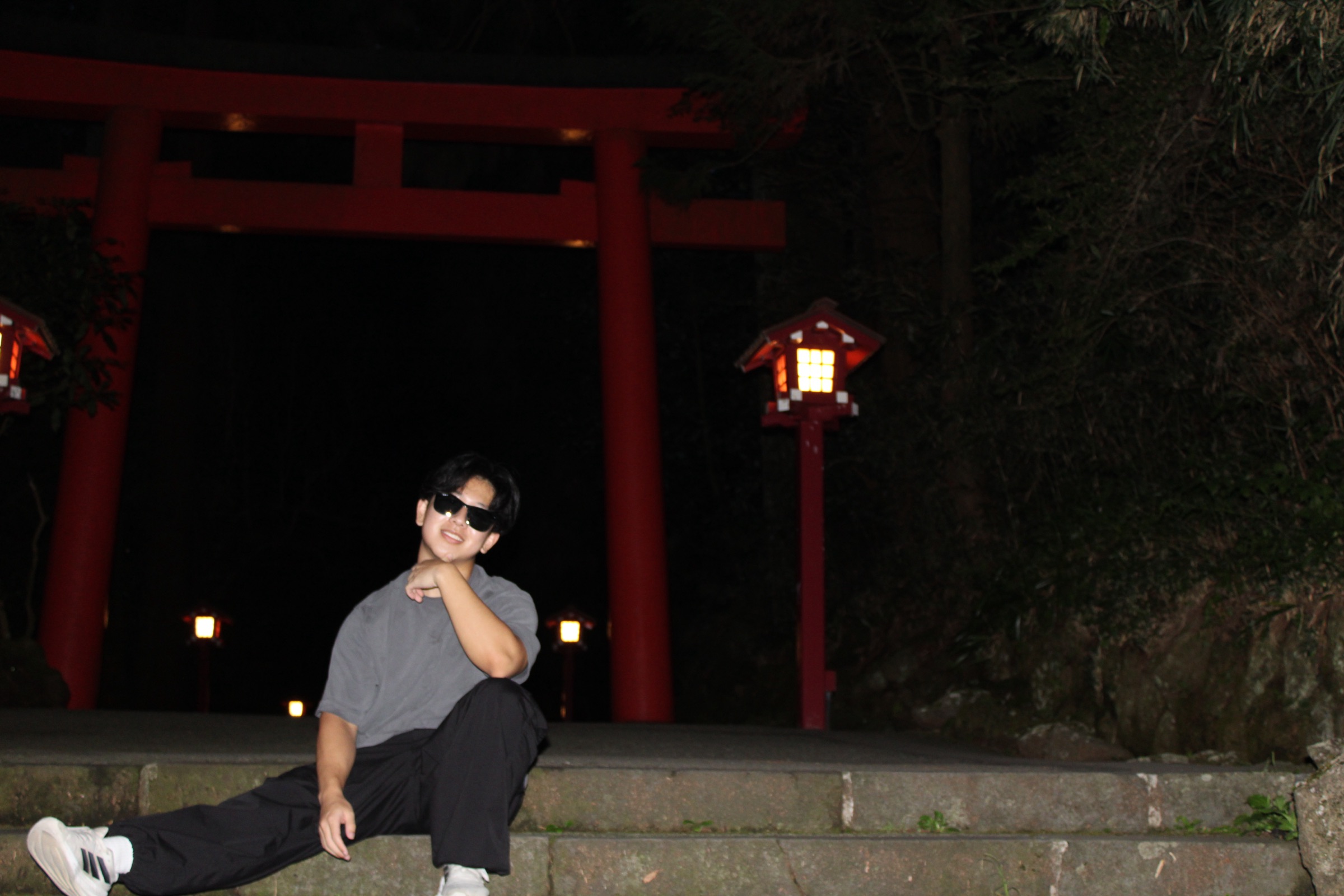
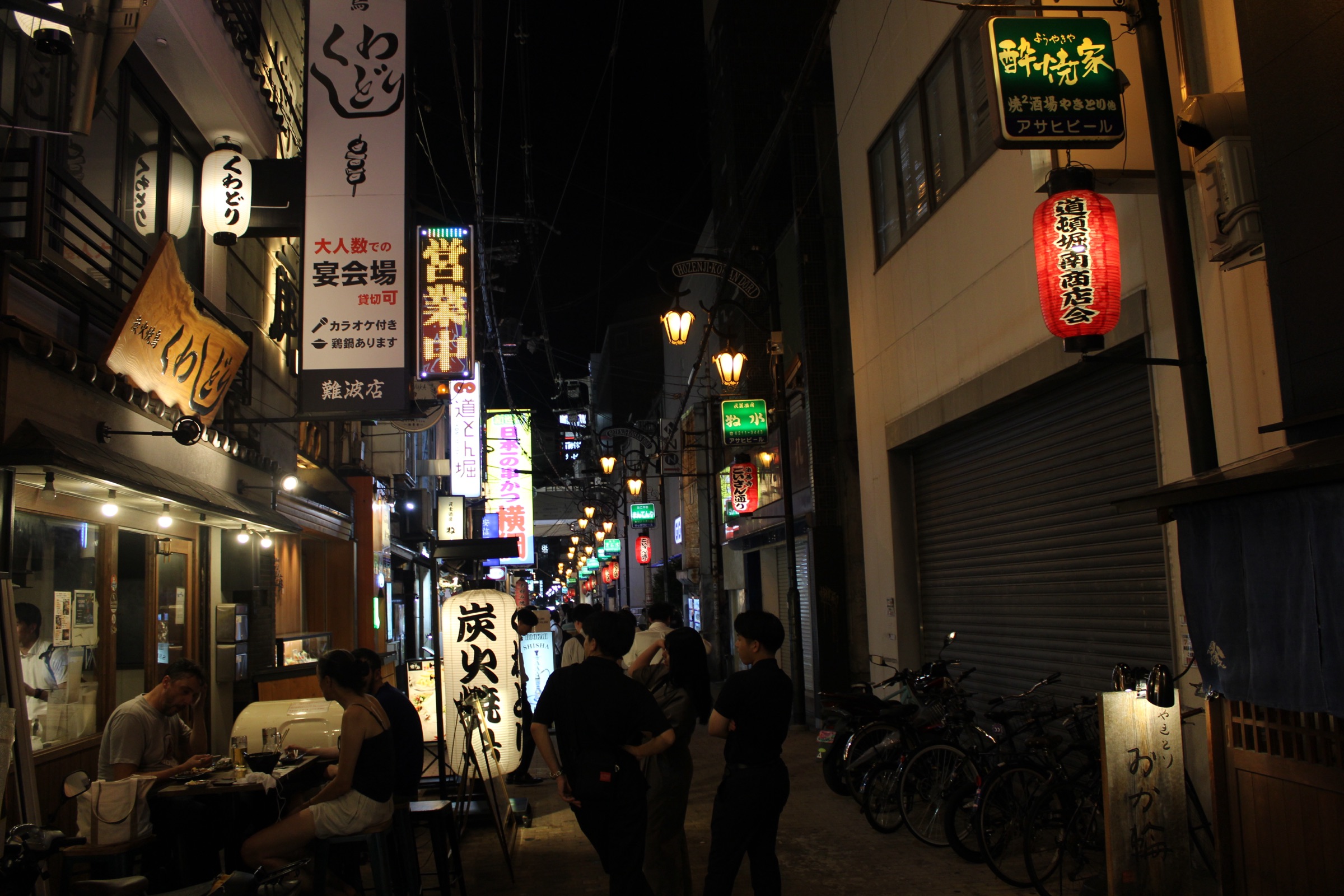
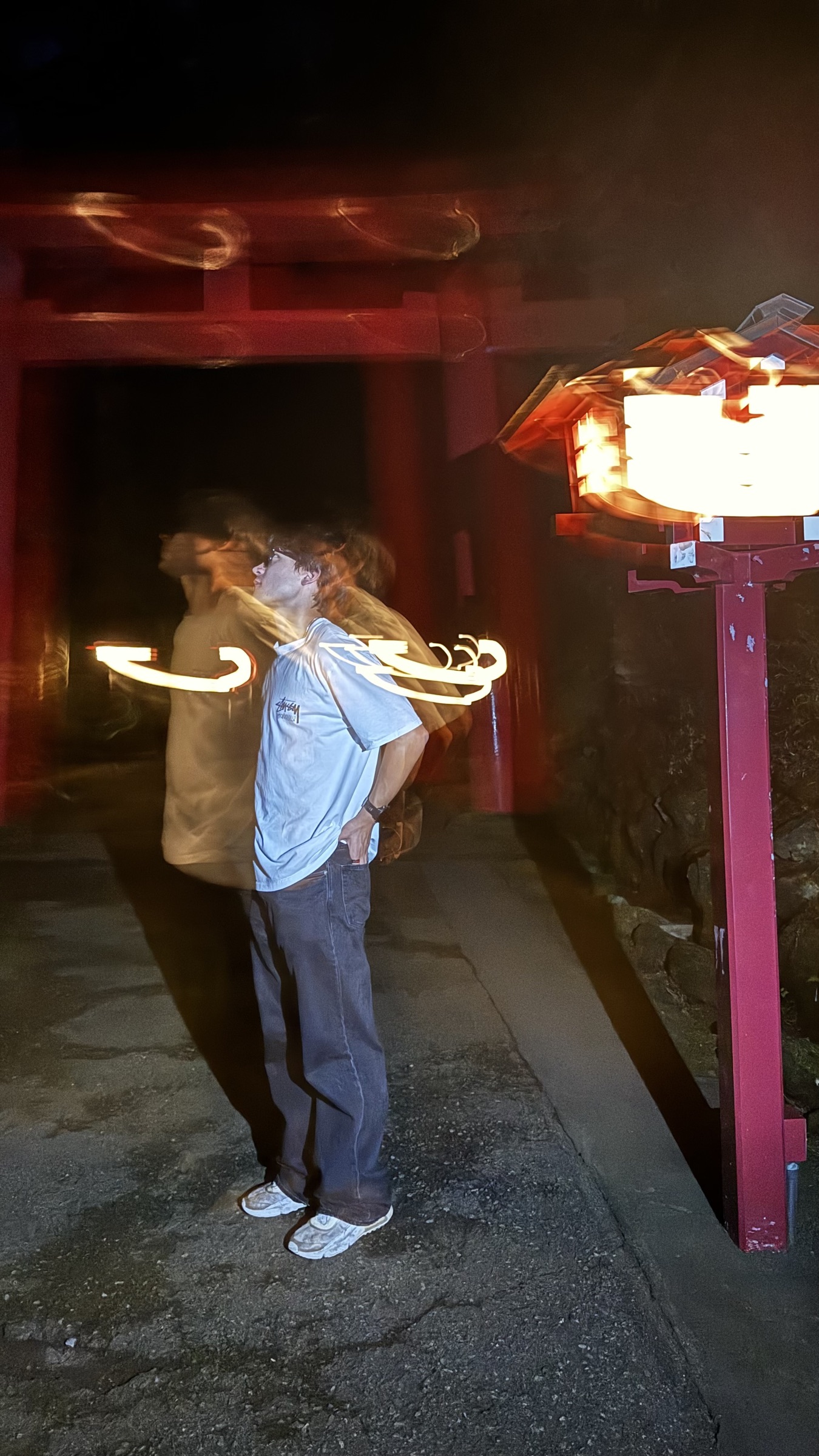
Location: Japan. Year: 2025. Themes: night, portraits. Professional selection: yes.
September 2025 · Canon EOS Rebel T7 · landscape.
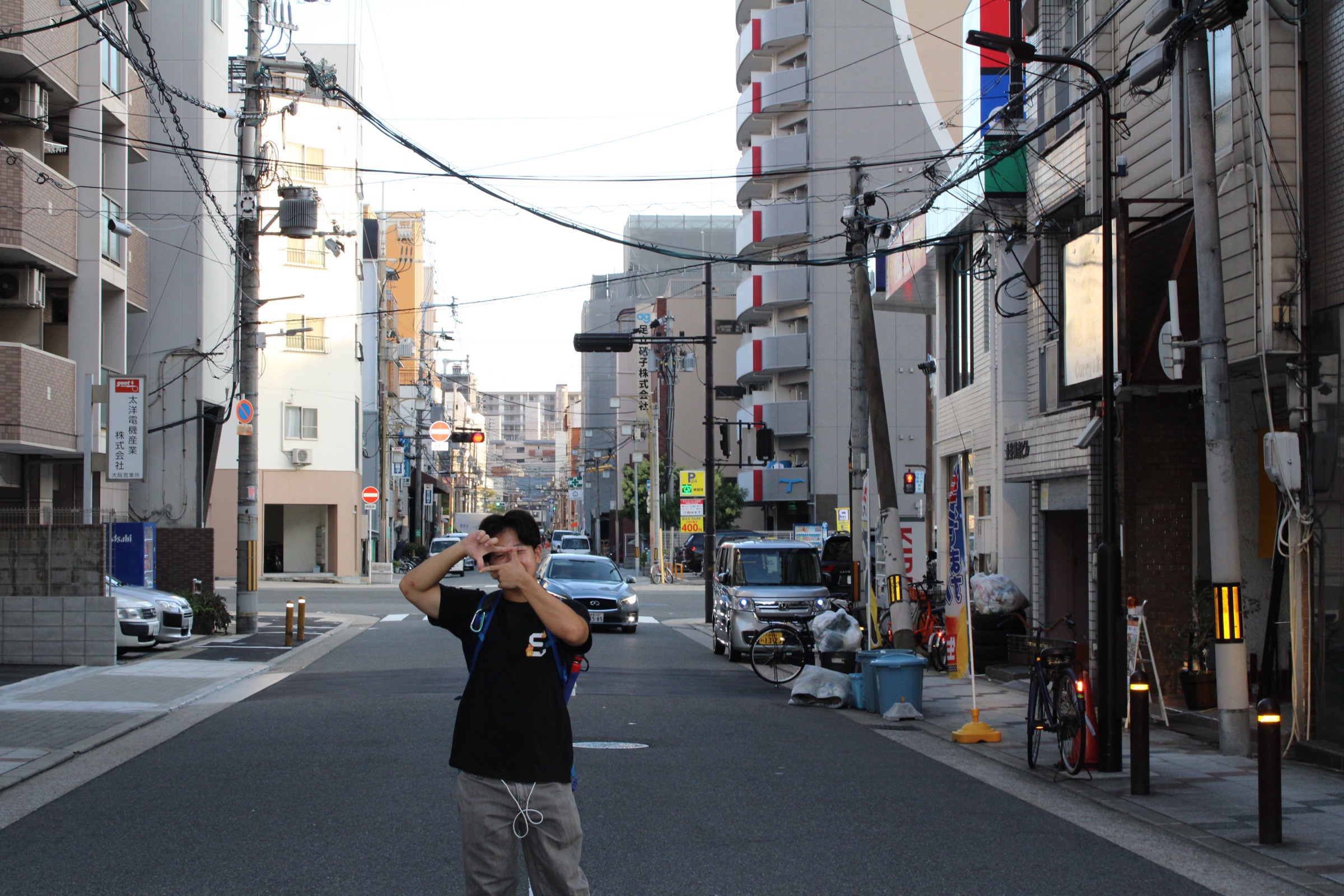
Location: Japan. Year: 2025. Themes: street, night, portraits. Professional selection: yes.
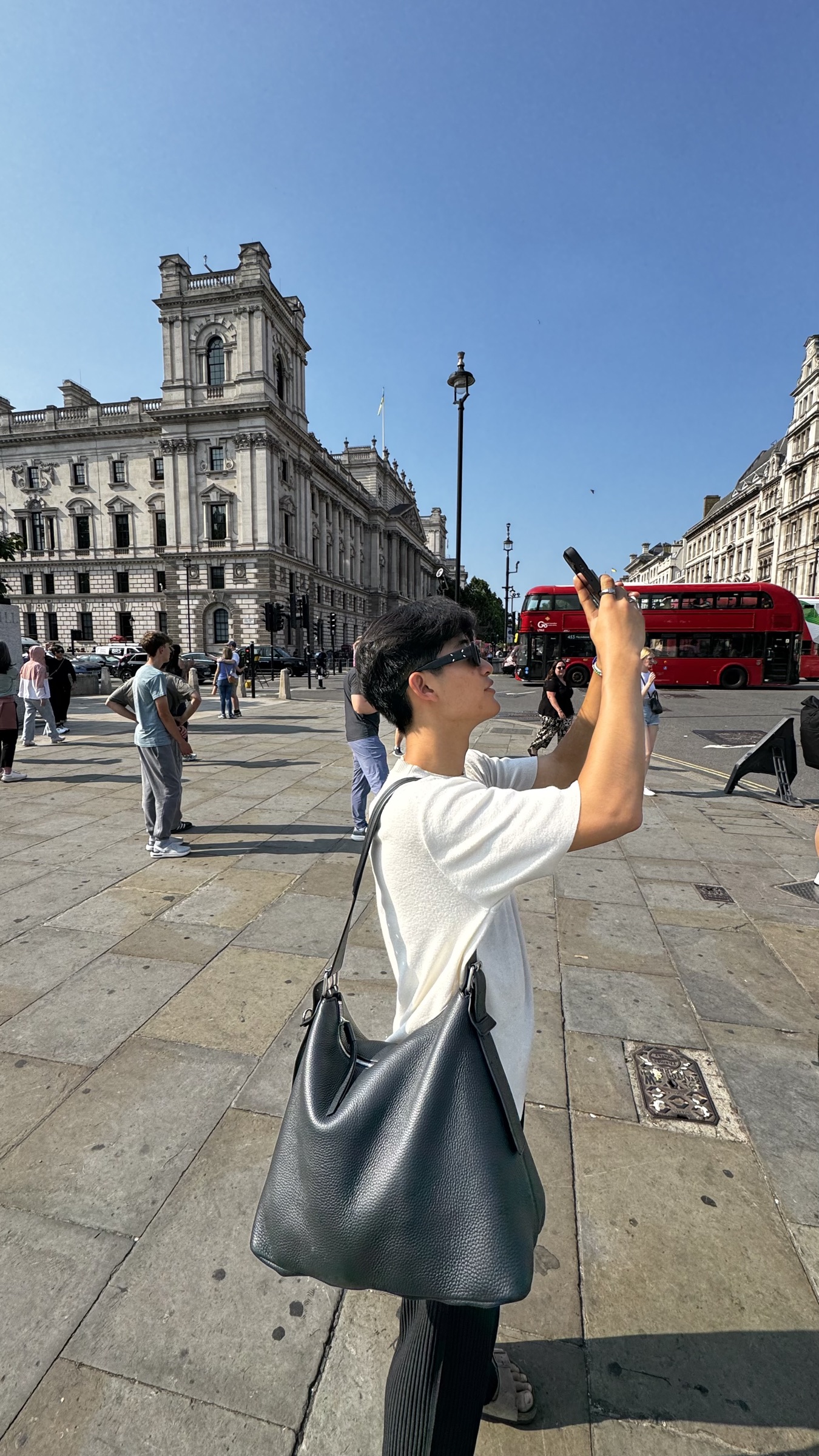
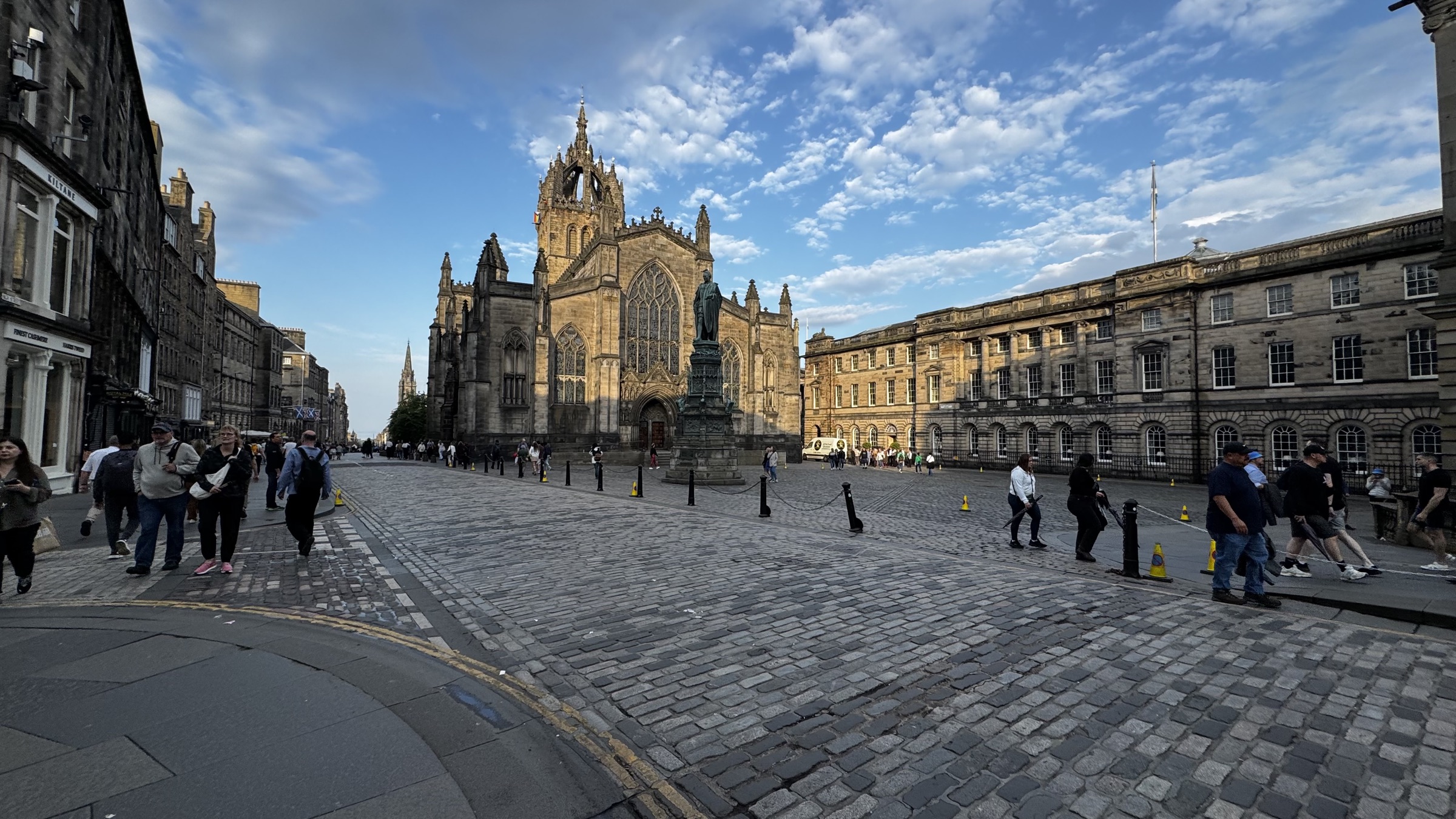
June 2025 · iPhone 15 Pro · portrait.
Location: United Kingdom. Year: 2025. Themes: street, portraits. Professional selection: yes.
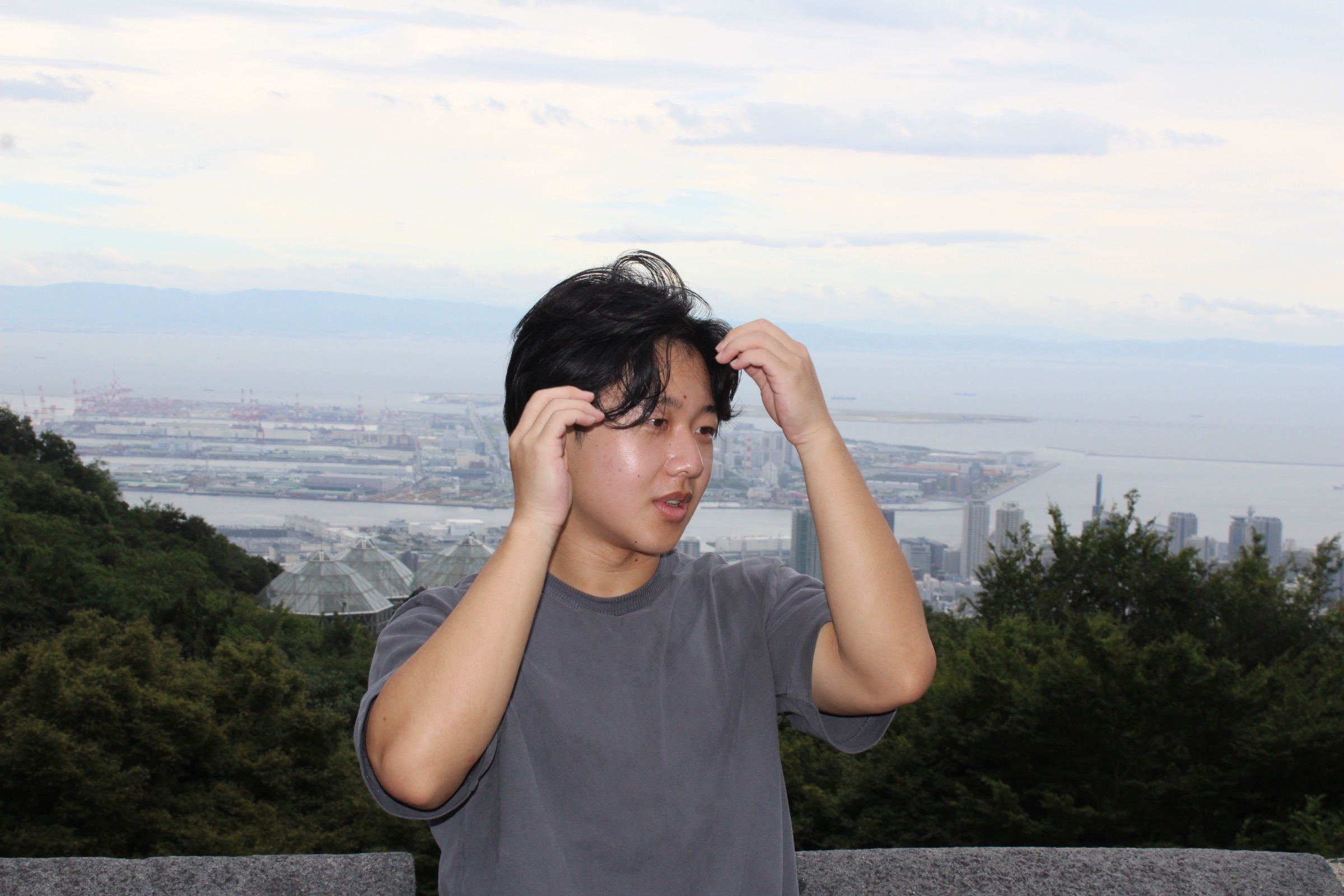
September 2025 · Canon EOS Rebel T7 · landscape.
Location: Japan. Year: 2025. Themes: portraits. Professional selection: yes.
September 2025 · Canon EOS Rebel T7 · landscape.
Location: Japan. Year: 2025. Themes: street, portraits. Professional selection: no.
September 2025 · Canon EOS Rebel T7 · landscape.
Location: Japan. Year: 2025. Themes: scenery, street. Professional selection: yes.
September 2025 · Canon EOS Rebel T7 · landscape.
Location: Japan. Year: 2025. Themes: night, portraits. Professional selection: yes.
September 2025 · Canon EOS Rebel T7 · landscape.
Location: Japan. Year: 2025. Themes: street, portraits. Professional selection: yes.
September 2025 · Canon EOS Rebel T7 · landscape.
Location: Japan. Year: 2025. Themes: night, portraits. Professional selection: yes.
September 2025 · Canon EOS Rebel T7 · landscape.
Location: Japan. Year: 2025. Themes: scenery. Professional selection: yes.
September 2025 · Canon EOS Rebel T7 · landscape.
Location: Japan. Year: 2025. Themes: portraits. Professional selection: yes.
September 2025 · Canon EOS Rebel T7 · landscape.
Location: Japan. Year: 2025. Themes: street, portraits. Professional selection: no.
December 2025 · iPhone 15 Pro · landscape.
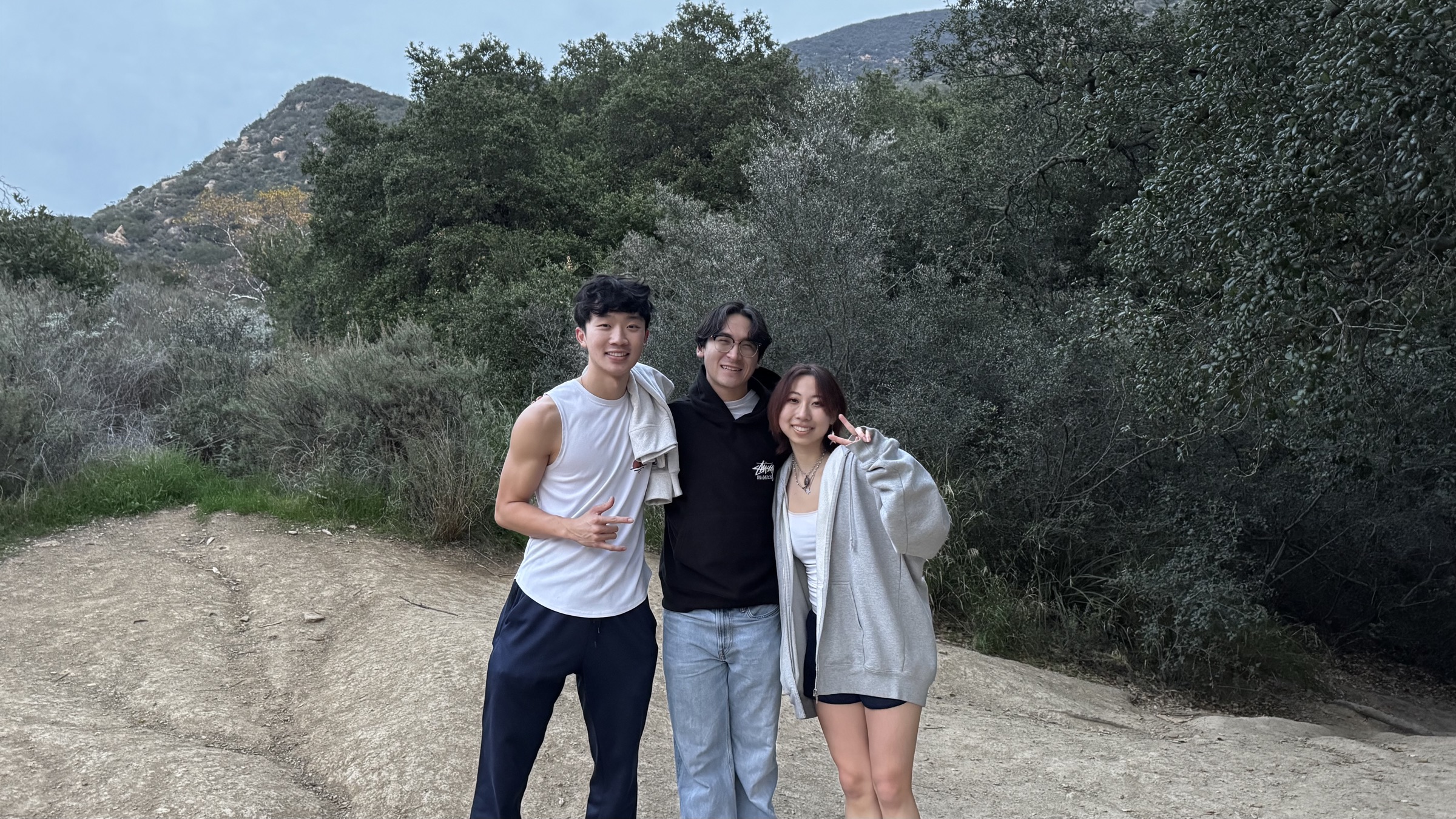
Location: California. Year: 2025. Themes: friends, scenery, portraits. Professional selection: no.
August 2025 · iPhone 15 Pro · landscape.
Location: California. Year: 2025. Themes: scenery. Professional selection: yes.
September 2025 · Canon EOS Rebel T7 · landscape.
Location: Japan. Year: 2025. Themes: scenery, street. Professional selection: yes.
September 2025 · iPhone 15 Pro · landscape.
Location: Japan. Year: 2025. Themes: scenery, night. Professional selection: yes.
September 2025 · iPhone 15 Pro · portrait.
Location: Japan. Year: 2025. Themes: night, portraits. Professional selection: yes.
September 2025 · Canon EOS Rebel T7 · landscape.
Location: Japan. Year: 2025. Themes: scenery. Professional selection: yes.
September 2025 · Canon EOS Rebel T7 · landscape.
Location: Japan. Year: 2025. Themes: scenery, street. Professional selection: yes.
September 2025 · iPhone 15 Pro · portrait.
Location: Japan. Year: 2025. Themes: scenery, night. Professional selection: yes.
September 2025 · Canon EOS Rebel T7 · landscape.
Location: Japan. Year: 2025. Themes: scenery. Professional selection: yes.
September 2025 · Canon EOS Rebel T7 · landscape.
Location: Japan. Year: 2025. Themes: scenery. Professional selection: no.
September 2025 · iPhone 15 Pro · portrait.
Location: Japan. Year: 2025. Themes: scenery, night. Professional selection: yes.
September 2025 · Canon EOS Rebel T7 · landscape.
Location: Japan. Year: 2025. Themes: street, portraits. Professional selection: no.
June 2025 · iPhone 15 Pro · portrait.
Location: United Kingdom. Year: 2025. Themes: street, portraits. Professional selection: no.
September 2025 · Canon EOS Rebel T7 · landscape.
Location: Japan. Year: 2025. Themes: night, portraits. Professional selection: yes.
September 2025 · Canon EOS Rebel T7 · landscape.
Location: Japan. Year: 2025. Themes: scenery. Professional selection: no.
June 2025 · iPhone 15 Pro · landscape.
Location: United Kingdom. Year: 2025. Themes: scenery, street. Professional selection: yes.
September 2025 · Canon EOS Rebel T7 · landscape.
Location: Japan. Year: 2025. Themes: portraits. Professional selection: yes.
December 2025 · KODAK PIXPRO FZ45 · landscape.
Location: California. Year: 2025. Themes: friends, portraits. Professional selection: no.
September 2025 · Canon EOS Rebel T7 · landscape.
Location: Japan. Year: 2025. Themes: scenery. Professional selection: yes.
September 2025 · Canon EOS Rebel T7 · landscape.
Location: Japan. Year: 2025. Themes: portraits. Professional selection: yes.
November 2025 · portrait.
Location: South Korea. Year: 2025. Themes: street, night, portraits. Professional selection: no.
September 2025 · iPhone 15 Pro · portrait.
Location: Japan. Year: 2025. Themes: portraits. Professional selection: no.
September 2025 · Canon EOS Rebel T7 · landscape.
Location: Japan. Year: 2025. Themes: portraits. Professional selection: no.
September 2025 · Canon EOS Rebel T7 · landscape.
Location: Japan. Year: 2025. Themes: portraits. Professional selection: no.
September 2025 · Canon EOS Rebel T7 · landscape.
Location: Japan. Year: 2025. Themes: scenery, street. Professional selection: yes.
September 2025 · Canon EOS Rebel T7 · landscape.
Location: Japan. Year: 2025. Themes: portraits. Professional selection: yes.
September 2025 · iPhone 15 Pro · portrait.
Location: Japan. Year: 2025. Themes: scenery, night. Professional selection: yes.
February 2026 · iPhone 15 Pro · landscape.
Location: California. Year: 2026. Themes: friends, scenery, portraits. Professional selection: no.
September 2025 · iPhone 15 Pro · portrait.
Location: Japan. Year: 2025. Themes: night, portraits. Professional selection: yes.
September 2025 · iPhone 15 Pro · portrait.
Location: Japan. Year: 2025. Themes: portraits. Professional selection: no.
August 2025 · iPhone 14 Pro · landscape.
Location: California. Year: 2025. Themes: friends, scenery, portraits. Professional selection: no.
September 2025 · Canon EOS Rebel T7 · landscape.
Location: Japan. Year: 2025. Themes: scenery. Professional selection: no.
September 2025 · Canon EOS Rebel T7 · landscape.
Location: Japan. Year: 2025. Themes: portraits. Professional selection: no.
September 2025 · iPhone 15 Pro · portrait.
Location: Japan. Year: 2025. Themes: portraits. Professional selection: no.
December 2025 · iPhone 15 Pro · portrait.
Location: California. Year: 2025. Themes: friends, scenery, portraits. Professional selection: no.
September 2025 · iPhone 15 Pro · portrait.
Location: Japan. Year: 2025. Themes: street, portraits. Professional selection: no.
September 2025 · Canon EOS Rebel T7 · landscape.
Location: Japan. Year: 2025. Themes: scenery. Professional selection: no.
September 2025 · iPhone 15 Pro · portrait.
Location: Japan. Year: 2025. Themes: street, night, portraits. Professional selection: yes.
September 2025 · iPhone 15 Pro · landscape.
Location: Japan. Year: 2025. Themes: scenery, night. Professional selection: yes.
September 2025 · iPhone 15 Pro · portrait.
Location: Japan. Year: 2025. Themes: night, portraits. Professional selection: no.
September 2025 · Canon EOS Rebel T7 · landscape.
Location: Japan. Year: 2025. Themes: scenery. Professional selection: yes.
September 2025 · Canon EOS Rebel T7 · landscape.
Location: Japan. Year: 2025. Themes: scenery. Professional selection: no.
December 2025 · iPhone 15 Pro · landscape.
Location: California. Year: 2025. Themes: friends, scenery, portraits. Professional selection: no.
September 2025 · Canon EOS Rebel T7 · landscape.
Location: Japan. Year: 2025. Themes: scenery. Professional selection: no.
January 2026 · ILCE-7M3 · portrait.
Location: California. Year: 2026. Themes: portraits. Professional selection: yes.
September 2025 · Canon EOS Rebel T7 · landscape.
Location: Japan. Year: 2025. Themes: scenery. Professional selection: yes.
September 2025 · Canon EOS Rebel T7 · landscape.
Location: Japan. Year: 2025. Themes: scenery. Professional selection: no.
September 2025 · Canon EOS Rebel T7 · landscape.
Location: Japan. Year: 2025. Themes: street, portraits. Professional selection: no.
September 2025 · Canon EOS Rebel T7 · landscape.
Location: Japan. Year: 2025. Themes: scenery. Professional selection: no.
2:00. Two laps completed in two minutes.
51 sec. One lap completed in 51 seconds.
15:51. Personal best over 5K.
26.2 mi. Marathon finisher.
185 lb. Current gym personal record.
Climbing when I can get to a wall.
Pickup volleyball with friends.
Regular gym sessions alongside running.
Finish my first triathlon.
Enter a run-bike-run race.
Combine endurance running with functional strength stations.
The books, films, games, anime, and TV desks currently have no published reviews or ratings.
Status: PLANNED.
A planned drone project for autonomous navigation and aerial sensing.
I want to build the onboard software for navigation, perception, and flight planning.
The project has not reached flight testing yet.
Status: PLANNED.
In planning; no release yet.
Status: PLANNED.
In planning; no release yet.
Status: BUILDING.
My projects, photographs, and work online under Hyoren.
Status: PLANNED.
Freelance machine learning projects.
Status: PLANNED.
In planning.
Title: AWS Intern Dashboard
Kr: 인턴 보고
Org: Amazon Web Services
Team: AWS Marketing
Role: Software Development Engineer Intern
Period: June 2026 to September 2026
Status: IN REVIEW
Midpoint Week: 6
Gauges / Num: 9
Gauges / Lbl: weeks logged
Gauges / Num: 4
Gauges / Lbl: code reviews in review
Gauges / Num: 192
Gauges / Lbl: tests on the feature
Gauges / Num: 40+
Gauges / Lbl: review findings resolved
Status Note: Four code reviews are stacked and under review. Nothing has been deployed to production yet, so no adoption or latency numbers are reported here.
Disclaimer: A public, sanitized summary of a live internship. Implementation details, internal system names, and colleague names are deliberately omitted. Figures are counts from my own working log.
Name: Enhanced Staging Bar
One Line: An author-awareness feature for AWS Marketing's Adobe Experience Manager publishing platform that tells a content author whether the page they are editing matches what is live.
Problem: Authors editing a page on the staging environment had no way to tell, without leaving the editor, whether that page matched the published version. Checking meant opening the live page in another tab and comparing by eye, which is slow and easy to get wrong.
Problem: Getting it wrong is expensive in both directions. Publishing a page that was already current is wasted work, and assuming a page is current when it is not means stale content stays live.
Approach: The feature answers one question in the editor: does this page match production? It resolves a verdict across five states, renders it as a badge in the existing editor bar, and offers an on-demand panel that shows what actually differs and lets the author acknowledge it.
Approach: The governing rule through every review was honesty about uncertainty. The system may never claim a page is in sync, or has never been published, from metadata it could not verify. When evidence is incomplete, inaccessible, or ambiguous, it returns an explicit unknown with a diagnostic reason rather than guessing. Every failure path renders a neutral badge with a retry, so the editor still loads and the author never sees a confident wrong answer.
Stack: Java
Stack: Apache Sling
Stack: Adobe Experience Manager
Stack: JCR
Stack: OSGi
Stack: JavaScript
Stack: Jest
Stack: JUnit
Stack: HTL
Stack: Figma
Id: discovery
Label: DISCOVERY
Kr: 조사
Weeks: Weeks 1 to 3
Summary: Onboarding, getting a large AEM codebase running locally, and reading enough of it to scope the project honestly.
Id: design
Label: DESIGN
Kr: 설계
Weeks: Weeks 3 to 6
Summary: Design document, architecture diagrams, interactive mockups, and two rounds of team review.
Id: implementation
Label: IMPLEMENTATION
Kr: 구현
Weeks: Weeks 7 to 9
Summary: Four stacked code reviews: backend contract, editor surface, review panel, and configuration guardrails.
Week: 1
Range: Jun 15 to Jun 19
Phase: discovery
Headline: Onboarding, and a local build that fought back
Body: Standard first week: setup, orientation sessions, first one-on-one with my manager, and reading the project scope. I cloned the repository and started working through the platform's replication and content-model documentation.
Body: My first attempt at the local environment got tangled badly enough that restarting from scratch was faster than untangling it. Logged that as a loss rather than quietly redoing it, which turned out to be the right instinct: the second attempt was clean and I understood why.
Shipped: Repository cloned and build workspace configured
Shipped: First pass through the platform's publishing documentation
Week: 2
Range: Jun 22 to Jun 26
Phase: discovery
Headline: The feature already existed, so the project changed shape
Body: Got the local environment fully running, then walked the authoring interface the way an author would rather than the way a developer would, looking for what was missing.
Body: The most useful finding of the internship came out of that: the editor bar I had been scoped to build already existed. The project was extend, not build from scratch. That reframing saved rebuilding something already in production and it changed every design decision that followed.
Body: With that settled I wrote the design document end to end, built three architecture diagrams, and put together a risk register and an open-questions list so the unknowns were visible instead of implied.
Shipped: Local environment running end to end
Shipped: Design document drafted, 12 sections
Shipped: Three architecture diagrams
Shipped: Risk register and open-questions list
Week: 3
Range: Jun 29 to Jul 2
Phase: design
Headline: First design review, and scoping the hard part down
Body: Documented the full codebase map so the next person would not have to repeat the reading, and rebuilt the research document after losing it to a tooling error.
Body: Made the first real scoping decision of the project: took the most complex signal down to a minimum viable version and deferred the harder variant, so the first release could actually land inside the internship.
Body: First design review with my mentor produced five discussion points. I worked all five back into the document and verified each one against the codebase rather than accepting them on faith.
Body: Also sat in on an operational postmortem review for an unrelated service. Worth the hour purely to see how the team separates root cause from symptom and how the writeup is structured.
Shipped: Codebase map documented
Shipped: Scope decision recorded with rationale
Shipped: Five design-review points resolved
Week: 4
Range: Jul 6 to Jul 10
Phase: design
Headline: Design document approved, mockups built in two tools
Body: The design document was completed and reviewed with the team, which was the week 4 deliverable.
Body: Built an interactive mockup of every badge state plus the acknowledgment dialog in HTML and CSS, then rebuilt it in Figma so the design conversation could happen in the tool the designers actually use. Cross-checked both against the numbered requirements in the design document so nothing was mocked that was not specified, and nothing specified was missing.
Body: Also spent time on tooling: wired up a design-to-code integration and extended my own logging tool to capture work sessions automatically instead of relying on memory at the end of the day.
Shipped: Design document completed and reviewed
Shipped: Interactive HTML and CSS mockup, all states
Shipped: Figma mockup
Shipped: Requirement coverage verified against the mockups
Week: 5
Range: Jul 13 to Jul 17
Phase: design
Headline: Team design review: 38 comment threads, 29 edits applied
Body: The big review week. The team design review generated 38 comment threads, which I triaged into themed discussions and turned into 29 concrete edits, all of them applied and checkmarked in the document.
Body: Rebuilt the mockup a third time against that feedback: click-only interaction instead of hover, and a production-fidelity pass that pulled real colors and bar classes from the shipped stylesheet so the mockup would transfer directly to implementation. Seven states in total.
Body: Then a consistency pass across all three project documents, 14 edits, so the design document, the research document, and the talking points agreed with each other. Spent the rest of the week on the backend approach: sketched the response contract and wrote out the failure modes before writing any code.
Shipped: 38 review threads triaged, 29 edits applied
Shipped: Mockup revision 3, seven states, production fidelity
Shipped: Cross-document consistency pass, 14 edits
Shipped: Backend response contract and failure modes drafted
Week: 6
Range: Jul 20 to Jul 24
Phase: design
Headline: Out sick, so the week went to documentation
Body: Sick for most of the week with no implementation progress, which I logged as a loss rather than padding it into something better.
Body: What did get done was low-energy and useful: a mapping of where each design requirement lands in the code, a mockup pass on the two edge-case states, and the midpoint self-review form. Breaking the remaining work into tracked subtasks meant the second half started with a plan instead of a blank page.
Shipped: Requirement-to-code mapping documented
Shipped: Midpoint self-review completed
Shipped: Second-half work broken into tracked subtasks
Week: 7
Range: Jul 25 to Jul 31
Phase: implementation
Headline: Four sequential code reviews, and the first one written
Body: Planned the implementation phase as four sequential code reviews rather than one large change, so each would stand on its own and review independently. That decision shaped the rest of the internship.
Body: Started the first one: the read-only backend endpoint that resolves the verdict. Drafted the test matrix before writing the tests, wrote the sync-status and attribution logic by hand, then did a self-review pass reading my own diff specifically looking for my own bugs before anyone else saw it.
Body: Ended the week with the full project running locally and the endpoint verified against a live instance rather than only against mocks. Two build artifacts were unavailable to me, so I stubbed them locally instead of letting the build block the week.
Shipped: Four-review implementation plan recorded
Shipped: Backend endpoint implemented
Shipped: Test matrix drafted ahead of the tests
Shipped: Verified against a running local instance
Week: 8
Range: Aug 3 to Aug 7
Phase: implementation
Headline: Review rounds one and two, and eight real defects
Body: The first review landed and I worked it properly: findings written up with severity, file and line, reproduction, and a one-line fix each, then verified with the full suite green.
Body: Then I ran an adversarial review pass on the second change and found eight verified defects, one of them a genuine correctness bug where a failure path could have produced a confident wrong answer instead of a neutral one. I also recorded the eleven candidate findings that the pass raised and I then refuted, so the next reviewer would not spend time re-raising them.
Body: That habit of writing down the refuted findings alongside the real ones turned out to be the most useful reviewing thing I did all summer.
Shipped: Review round one findings resolved, full suite green
Shipped: Eight verified defects found on round two
Shipped: Eleven refuted candidates documented for the next reviewer
Week: 9
Range: Aug 10 to Aug 12
Phase: implementation
Headline: All four reviews stacked, configuration and observability in
Body: Raised the remaining three changes as a stacked chain so each one reviews as a self-contained change while building on the one below it.
Body: The second change added the editor surface: the badge column inside the existing bar, one request per editor load under a hard deadline, and a fail-open path on every error so a timeout or a malformed response renders a neutral badge with a retry rather than a fabricated verdict.
Body: The third added the on-demand review panel and the acknowledgment step: a dialog showing the drift timeline, the changed-component list with links into the editor, and an explicit acknowledgment. Nothing opens on load, viewing never acknowledges, and closing never acknowledges. Its review produced sixteen findings across three severities, and all three of the top-severity ones were the same class of problem: the acknowledgment could assert a state the system had not actually verified.
Body: The fourth turned every hard-coded constant from the first three into configuration, added structured logging and an end-to-end test, and wired the feature flag explicitly across every environment so production records its off state rather than inheriting a default.
Body: Also made a naming decision I would defend in any review: registered the endpoint under the editor surface rather than under the feature name, because the bar is only one consumer of the contract and grouping by surface leaves room for the others.
Shipped: All four reviews stacked and in review
Shipped: Editor surface with fail-open behavior on every error path
Shipped: Review panel and acknowledgment checkpoint
Shipped: Configuration, structured logging, end-to-end test
Shipped: Sixteen review findings resolved on the third change
Label: Weeks logged
Value: 9
Note: June 15 to August 12
Label: Code reviews raised
Value: 4
Note: stacked, each self-contained
Label: Backend test methods
Value: 129
Note: on the endpoint under test, from 60 at the first review
Label: Frontend tests written
Value: 59
Note: verdict mapping, timeouts, aborts, retry, locale formatting
Label: End-to-end tests
Value: 4
Note: added with the configuration change
Label: Review findings resolved
Value: 40+
Note: across four review rounds and two self-review passes
Label: Design review edits applied
Value: 29
Note: from 38 triaged comment threads
Label: Mockup states built
Value: 7
Note: across three mockup revisions in two tools
Value: 731
Unit: lines
Label: Backend status endpoint
Note: the first review
Value: 462
Unit: lines
Label: Editor clientlib
Note: the second review
Value: 441
Unit: lines
Label: Budget-enforced deep scanner
Note: the third review
Value: 290
Unit: lines
Label: Acknowledgment endpoint
Note: the third review
Value: 103
Unit: lines
Label: Configuration class
Note: the fourth review, replacing hard-coded constants
Value: 9485
Unit: lines
Label: Total added across the four reviews
Note: across 46 files
Value: 129
Unit: test methods
Label: Backend tests on the endpoint
Note: up from 60 at the first review
Value: 59
Unit: tests
Label: Frontend tests
Note: verdict mapping, timeouts, aborts, retry, locale formatting
Value: 4
Unit: tests
Label: End-to-end tests
Note: added with the configuration work
Value: 16
Unit: findings
Label: Findings resolved on the third review
Note: 3 top severity, 6 medium, 7 minor
Value: 8
Unit: findings
Label: Defects found on my own adversarial pass
Note: plus 11 candidates investigated and refuted
Value: 6
Unit: drifts
Label: Visual drifts caught against the mockup
Note: all minor, no correctness issues
Value: 29
Unit: edits
Label: Design-review edits applied
Note: from 38 triaged comment threads
Value: 14
Unit: edits
Label: Cross-document consistency edits
Note: so the three project documents agreed
Value: 7
Unit: states
Label: Interface states mocked
Note: across three mockup revisions in two tools
Value: 12
Unit: sections
Label: Design document sections
Note: written in week 2
Value: 3
Unit: diagrams
Label: Architecture diagrams
Note: page load, publish-sync decision flow, system architecture
Id: M1
Label: Design doc evaluating approach options, reviewed with the team. Revision 2 ratified with all 29 review edits applied.
Status: done
Id: M2
Label: Working prototype on a local instance: publish-status indicators plus pending-changes warnings.
Status: done
Id: M3
Label: The feature behind a flag with its status endpoint, raised for code review.
Status: in-progress
Id: M4
Label: Pending-changes button and review panel with the acknowledgment flow.
Status: done
Id: M5
Label: Final presentation: demo to the team and stakeholders.
Status: planned
Id: STRETCH
Label: Acknowledgment audit logging and a reporting view.
Status: planned
Id: R1
Label: Sync status against the published counterpart: in sync, out of sync, never published, or deactivated.
Status: done
Id: R2
Label: Last modified by, plus a timestamp.
Status: exists
Id: R3
Label: Pending-changes alerts for another author's edits. The verdict is never filtered, and attribution is configuration-driven.
Status: done
Id: R4
Label: Scheduled-publish awareness: warn when a page is dated for a future release.
Status: in-progress
Id: R5
Label: Pending-changes button and a click-opened review panel with a logged acknowledgment.
Status: done
Id: R6
Label: Acknowledgment audit logging. Stretch, scoped by a working-backwards exercise.
Status: planned
Id: R7
Label: JSON status endpoint behind a feature flag, called once per editor load.
Status: done
Id: R8
Label: Indicators inside the authoring interface authors already use.
Status: done
Id: R9
Label: Minimal screen space: badges inside the existing 72px bar.
Status: done
Id: R10
Label: Out-of-sync flag for referenced content. Added at design review.
Status: done
Group: Adobe Experience Manager
Items / Name: AEM authoring UI (Coral UI, Granite)
Items / Level: working
Items / Name: Editor clientlibs
Items / Level: working
Items / Name: JCR and replication APIs
Items / Level: working
Items / Name: Coral UI dialogs
Items / Level: learning
Group: Backend
Items / Name: Apache Sling models and servlets
Items / Level: learning
Items / Name: OSGi bundles and run-mode configuration
Items / Level: learning
Group: Frontend
Items / Name: HTL (Sightly)
Items / Level: learning
Items / Name: Jest
Items / Level: working
Group: Build and tooling
Items / Name: Maven (multi-module AEM build)
Items / Level: working
Items / Name: Amazon build and package tooling
Items / Level: working
Items / Name: Amazon code review tooling
Items / Level: working
Items / Name: Git on Amazon-hosted remotes
Items / Level: working
Group: Documentation
Items / Name: Design docs and architecture diagramming
Items / Level: working
Severity: low
Risk: Platform upgrade compatibility, since the editor overlay could break on a patch
Mitigation: Breaking changes here are rare in the team's experience, and the backend is decoupled and reusable
Severity: medium
Risk: Concurrent-edit edge cases such as simultaneous or partial saves
Mitigation: Read-only detection rather than prevention, with the edge cases handled explicitly
Severity: medium
Risk: Scheduled-publish coverage is narrower than the general case
Mitigation: The wording never claims more than the system actually verified, and the broader check is documented as follow-up work
Severity: medium
Risk: Referenced and dynamically assembled content cannot be fully enumerated
Mitigation: Reported as partial coverage rather than silently omitted; a general fix is parked as future work
Severity: low
Risk: Interaction between page locking and the pending-changes panel
Mitigation: Surface locked and pending-changes together, because a lock does not make the changes safe
Severity: low
Risk: Performance on large content trees
Mitigation: A two-tier check, page level on load and a deep scan on click, plus a short-lived cache and a fail-open timeout
Severity: medium
Risk: Scope creep against a tight ten-week timeline
Mitigation: The stretch goal was deprioritized first, and lower-severity findings were descoped before higher ones
Severity: low
Risk: Author adoption and signal fatigue
Mitigation: Click-opened button and panel so nothing interrupts, with frequency and severity tuned with the authors themselves
Status: resolved
Q: Where did the existing editor bar come from?
Answer: Custom to this codebase rather than a platform feature, which is what turned the project from build into extend
Status: resolved
Q: Is there already a listener for detecting another author's changes?
Answer: Yes, an existing resource-change listener already captured the changing user
Status: resolved
Q: Is there an existing audit-log pattern to follow for acknowledgments?
Answer: Yes, so the acknowledgment writes one line per write in the same style rather than inventing a format
Status: resolved
Q: What latency is acceptable for the status call, and should it cache?
Answer: A sub-200ms target, met with a two-tier check, a short-lived cache, and a fail-open timeout
Status: resolved
Q: Should the dialog be dismissible per page version, or on every open?
Answer: Neither. A click-opened button and panel with an explicit acknowledgment that re-arms when another author makes a newer change
Status: resolved
Q: How much detail belongs in the pending-changes view?
Answer: Changed components with anchor links, including non-visual items. Deeper diffs delegate to an existing comparison tool
Status: open
Q: Does the first release cover referenced content fragments, or pages only?
Status: open
Q: What severity tiers and notification frequency should the warnings use?
Status: open
Q: Which pair of modification properties is the right one to compare?
With: Manager
Cadence: Weekly
With: Mentor
Cadence: Twice weekly
With: Onboarding buddy
Cadence: 30 minutes, as needed
Name: Content authors
Role: Primary users, who need at-a-glance publish status and awareness of pending changes
Name: Marketing stakeholders
Role: Own the staging-to-live workflow and validate the detection logic
Name: Product and program management
Role: Author workflow and content governance requirements
Lead: An editor bar for AWS Marketing's publishing platform that keeps authors honest about publish state: whether the page matches production, whether someone else changed it, and whether it is live yet.
Goals: A visual indicator that stays in sync with the live website
Goals: Surface whether someone else made changes
Goals: Show whether the page is live yet
Deliverables: Bar states: in sync (page matches what is published), out of sync (modifications since last publish), and scheduled (launch-sensitive content that should not be published yet)
Deliverables: Last modified: who and when
Deliverables: A notification flow when you open a page someone else changed since last publish, with an explicit Acknowledge and Continue step
Stack / Label: Frontend
Stack / Value: JavaScript + Coral UI
Stack / Label: Backend
Stack / Value: Java + Apache Sling servlet
Stack / Label: Data
Stack / Value: Content-repository properties
Stack / Label: Tests
Stack / Value: JUnit + Jest, plus end-to-end
Week: 1
Label: Onboarding
Goal: IT setup, orientation, one-to-one cadence set, meet the team
Status: done
Week: 2
Label: Environment + UI
Goal: Local environment running; familiarity with the authoring UI and replication APIs
Status: done
Week: 3
Label: Research
Goal: Research findings documented; approach designed
Status: done
Week: 4
Label: Design
Goal: Design document reviewed by the team
Status: done
Week: 5
Label: Backend (midpoint)
Goal: Midpoint review; the status endpoint returning page-state data
Status: done
Week: 6
Label: Frontend
Goal: Bar indicators and the notification dialog functional
Status: done
Week: 7
Label: Implementation
Goal: Four-review execution plan; the first change and its tests underway
Status: done
Week: 8
Label: Edge cases
Goal: Edge cases handled: locks, concurrent edits, scheduled launches
Status: done
Week: 9
Label: Testing
Goal: End-to-end testing on the beta environment; author feedback incorporated
Status: current
Week: 10
Label: Wrap-up (final)
Goal: Final presentation and handoff documentation
Status: planned
Week: 1
Days / Date: 2026-06-15
Days / Notes: First day. Team standup, met my manager and my co-intern, worked through onboarding trainings.
Days / Notes: Read the project scope and booked my first meetings.
Days / Date: 2026-06-16
Days / Notes: Onboarding buddy intro, new-hire sessions, intern welcome lunch, badge pickup.
Days / Notes: First questions to my mentor about the project spec and the AI tooling.
Days / Date: 2026-06-17
Days / Notes: Culture 101 and intern cohort sessions; met two more engineers on the team.
Days / Notes: Started reading the platform's authoring and replication docs.
Days / Date: 2026-06-18
Days / Notes: IT onboarding sessions, plus a readout directly relevant to how gated content flows through my project.
Days / Notes: Cloned the repository, set up the build workspace, started the local environment.
Days / Date: 2026-06-19
Days / Notes: First manager one-to-one.
Days / Notes: Local setup got tangled badly enough that restarting from scratch was faster. Logged it as a loss.
Days / Notes: Worked through the replication API and the content model.
Week: 2
Days / Date: 2026-06-22
Days / Notes: Set the week's goals: local environment plus authoring-UI familiarity.
Days / Notes: Configured local development credentials, then walked the authoring UI the way an author would.
Days / Date: 2026-06-23
Days / Notes: Mentorship meetings and intern one-to-ones; met more of the team.
Days / Notes: Local environment fully running. Installed the CLI tooling, set up sprint tracking, incorporated reviewer feedback on the project plan.
Days / Date: 2026-06-24
Days / Notes: The day the project changed shape: the feature already existed, so the work became extend, not build.
Days / Notes: Wrote the design document end to end, built three architecture diagrams, chose the technical approach.
Days / Date: 2026-06-25
Days / Notes: Manager one-to-one and a learning session.
Days / Notes: Design-doc polish; built the risk register and the open-questions list.
Days / Date: 2026-06-26
Days / Notes: Independent refinement day.
Days / Notes: Documentation pass on the codebase notes; mockup iteration on badge placement inside the 72px bar.
Week: 3
Days / Date: 2026-06-29
Days / Notes: Documented the full codebase map and ran the research phase as five parallel investigations, each verified against source.
Days / Notes: Fixed the diagram overlaps. Scoped the hardest signal down to a first-release version and recorded why.
Days / Date: 2026-06-30
Days / Notes: AI program kickoff and a spec review with the PM.
Days / Notes: Built this tracker: the dashboard, the daily log, and the journal CLI.
Days / Notes: Recovered the research doc after a tooling failure ate it.
Days / Date: 2026-07-01
Days / Notes: Design review with my mentor surfaced five discussion points.
Days / Notes: Sat in on an operational postmortem readout, useful for seeing how the team separates root cause from symptom.
Days / Date: 2026-07-02
Days / Notes: Folded the design-review feedback into the doc and reworked the mockups.
Days / Notes: Documented the gating signals and the wording constraint that follows from them.
Days / Date: 2026-07-03
Days / Notes: Holiday, Independence Day observed. No work.
Week: 4
Days / Date: 2026-07-06
Days / Notes: Sprint planning and team demos.
Days / Notes: Resolved all five design-review points into the doc, each verified against the codebase.
Days / Notes: Week-4 deliverable hit: design document complete and reviewed with the team.
Days / Date: 2026-07-07
Days / Notes: Set up the design-tool integration and iterated on the mockup.
Days / Notes: Prepped the design-review invite with context so nobody walked in cold.
Days / Date: 2026-07-08
Days / Notes: Built the HTML and CSS mockup from scratch: the editor shell, five status badges, and the acknowledgment dialog with a publish-drift timeline.
Days / Notes: Recreated it in the design tool for side-by-side comparison.
Days / Notes: Week-4 deliverable hit: dialog wireframes done in both tools.
Days / Date: 2026-07-09
Days / Notes: Weekly manager one-to-one, and an intern cohort sync I organized.
Days / Notes: Mockup refinements: badges stacked on the right edge, deactivated state added.
Days / Date: 2026-07-10
Days / Notes: Broke the project into tracked tasks with copy-ready descriptions.
Days / Notes: Built a humanizer pass and cleaned the whole journal with it.
Week: 5
Days / Date: 2026-07-13
Days / Notes: Ran the team design review. 38 comment threads triaged and all 29 agreed edits applied the same day.
Days / Notes: Traced the content-gating stack end to end. Mockup revision 3: click-only panel, production fidelity.
Days / Date: 2026-07-14
Days / Notes: Mentorship check-in and a high-level design review of the backend approach.
Days / Notes: Sketched the endpoint response contract for the first change.
Days / Date: 2026-07-15
Days / Notes: Consistency review across all three project docs; applied all 14 recommended edits.
Days / Notes: Refreshed the tracker to the revised requirements. Exam practice at the AI program office hours.
Days / Date: 2026-07-16
Days / Notes: Organized and ran design review 2.
Days / Notes: Researched endpoint registration options ahead of implementation. Added the project to my resume.
Days / Date: 2026-07-17
Days / Notes: Weekly one-to-one.
Days / Notes: Drafted the first change's approach on paper and wrote out its failure modes before writing any code.
Week: 6
Days / Date: 2026-07-20
Days / Notes: Sprint planning.
Days / Notes: Read through the codebase to plan where the changes land, and wrote up where each requirement lands in the code.
Days / Date: 2026-07-21
Days / Notes: Mentorship check-in and review scoping against the design doc.
Days / Notes: Mockup pass on the two edge-case states.
Days / Date: 2026-07-22
Days / Notes: Out sick most of the week. No implementation progress, logged as a loss.
Days / Notes: A light documentation pass was all the energy allowed.
Days / Date: 2026-07-23
Days / Notes: Broke the second half of the project into tracked subtasks.
Days / Notes: Midpoint review prep: pulled the story together from the docs and mockups.
Days / Date: 2026-07-24
Days / Notes: Completed the midpoint self-review form.
Days / Notes: Built the midpoint review deck from the mockups and the design doc.
Week: 7
Days / Date: 2026-07-25
Days / Notes: Planned the implementation phase as four sequential code reviews, each standing on its own.
Days / Date: 2026-07-27
Days / Notes: Midpoint review with my manager: walked the self-review and the project progress.
Days / Notes: Started the first change on a branch and drafted the test matrix before the tests.
Days / Date: 2026-07-28
Days / Notes: Mentorship meeting.
Days / Notes: Wrote the sync-status and attribution logic by hand; drafted test cases against the endpoint contract.
Days / Date: 2026-07-29
Days / Notes: Rebuilt the task board: nine scoped tasks with copy-ready descriptions.
Days / Notes: Self-review pass: read my own diff looking for my own bugs before anyone else saw it.
Days / Date: 2026-07-30
Days / Notes: Weekly one-to-one, then turned the plan into a readable task board.
Days / Notes: Backend unit tests written out.
Days / Date: 2026-07-31
Days / Notes: Got the full project running locally, every module active.
Days / Notes: Verified the endpoint against the running instance rather than only against mocks.
Week: 8
Days / Date: 2026-08-03
Days / Notes: Sprint planning. The first change committed on its branch.
Days / Notes: Merged both review passes into one fix doc with no duplicate findings, and migrated the project docs to the team's newer doc tool.
Days / Notes: First-reviewer findings verified with the suite green.
Days / Date: 2026-08-04
Days / Notes: Mentorship meeting, and a leadership ask-me-anything for the intern cohort.
Days / Notes: Applied every second-change review finding and re-ran both test suites.
Days / Date: 2026-08-05
Days / Notes: Weekly intern cohort meeting.
Days / Notes: Drafted the second change's fixes by hand from the review findings.
Days / Date: 2026-08-06
Days / Notes: Adversarial review on the second change: eight verified findings, one a genuine fail-open defect.
Days / Notes: Wrote the review doc so the second reviewer starts warm, including the eleven refuted candidates.
Days / Date: 2026-08-07
Days / Notes: Weekly one-to-one.
Days / Notes: Implemented the fixes, cleared the leftover TODOs, and added a solutions doc pairing each bug with its fix.
Week: 9
Days / Date: 2026-08-10
Days / Notes: The second change committed: the badge layer on the editor bar.
Days / Notes: Completed the final self-review and prepped the final presentation narrative.
Days / Notes: Tallied my AI-assistant usage for the summer from local session data.
Title: Read the product before writing the design
Body: The most useful hour of the internship was walking the authoring interface as a user in week 2, which is how I found that the thing I was scoped to build already existed. Reading the code would not have told me that as quickly.
Title: Write down the findings you refuted
Body: On every review pass I recorded the candidate findings I investigated and rejected, with the reason. It costs a few minutes and it stops the next reviewer from re-deriving the same dead ends. It also caught two cases where my rejection was wrong.
Title: An honest unknown beats a confident guess
Body: Most of the top-severity findings across all four reviews were the same shape: some path could assert a state the system had not verified. Designing for explicit unknowns with diagnostic reasons, and failing open everywhere else, removed a whole class of bug rather than fixing instances of it.
Title: Log the losses
Body: The log has a restarted environment setup and a week lost to illness in it. Keeping those visible made the record trustworthy to me, which is the only reason the rest of it was worth writing down.
Entries Logged: 142
Weeks Logged: 9
Total Weeks: 10
First Logged: 2026-06-15
Last Logged: 2026-08-12
Metrics Moved: 34
Cross Team Count: 0
Daily Days: 42
Daily Meetings: 33
Meeting Ledger / Date: 2026-06-16
Meeting Ledger / Role: Onboarding buddy
Meeting Ledger / Date: 2026-06-16
Meeting Ledger / Role: Mentor sync
Meeting Ledger / Date: 2026-06-17
Meeting Ledger / Role: Onboarding buddy
Meeting Ledger / Date: 2026-06-17
Meeting Ledger / Role: Team member
Meeting Ledger / Date: 2026-06-18
Meeting Ledger / Role: Office hours
Meeting Ledger / Date: 2026-06-19
Meeting Ledger / Role: Manager 1:1
Meeting Ledger / Date: 2026-06-23
Meeting Ledger / Role: Team member
Meeting Ledger / Date: 2026-06-23
Meeting Ledger / Role: Product / program
Meeting Ledger / Date: 2026-06-23
Meeting Ledger / Role: Mentor sync
Meeting Ledger / Date: 2026-06-24
Meeting Ledger / Role: Team member
Meeting Ledger / Date: 2026-06-24
Meeting Ledger / Role: Team member
Meeting Ledger / Date: 2026-06-24
Meeting Ledger / Role: Mentor sync
Meeting Ledger / Date: 2026-06-25
Meeting Ledger / Role: Manager 1:1
Meeting Ledger / Date: 2026-06-30
Meeting Ledger / Role: Product / program
Meeting Ledger / Date: 2026-06-30
Meeting Ledger / Role: Mentor sync
Meeting Ledger / Date: 2026-07-01
Meeting Ledger / Role: Mentor sync
Meeting Ledger / Date: 2026-07-09
Meeting Ledger / Role: Manager 1:1
Meeting Ledger / Date: 2026-07-09
Meeting Ledger / Role: Intern cohort (organized)
Meeting Ledger / Date: 2026-07-13
Meeting Ledger / Role: Design review (organized)
Meeting Ledger / Date: 2026-07-14
Meeting Ledger / Role: Mentor sync
Meeting Ledger / Date: 2026-07-16
Meeting Ledger / Role: Team session
Meeting Ledger / Date: 2026-07-17
Meeting Ledger / Role: Manager 1:1
Meeting Ledger / Date: 2026-07-20
Meeting Ledger / Role: Team session
Meeting Ledger / Date: 2026-07-21
Meeting Ledger / Role: Mentor sync
Meeting Ledger / Date: 2026-07-22
Meeting Ledger / Role: Intern cohort
Meeting Ledger / Date: 2026-07-27
Meeting Ledger / Role: Manager 1:1
Meeting Ledger / Date: 2026-07-28
Meeting Ledger / Role: Mentor sync
Meeting Ledger / Date: 2026-07-30
Meeting Ledger / Role: Manager 1:1
Meeting Ledger / Date: 2026-08-03
Meeting Ledger / Role: Team session
Meeting Ledger / Date: 2026-08-04
Meeting Ledger / Role: Mentor sync
Meeting Ledger / Date: 2026-08-04
Meeting Ledger / Role: Team member
Meeting Ledger / Date: 2026-08-05
Meeting Ledger / Role: Intern cohort
Meeting Ledger / Date: 2026-08-07
Meeting Ledger / Role: Manager 1:1
Progress Pct: 87
Days To Midpoint: -25
Days Remaining: 9
Midpoint Date: 2026-07-18
End Date: 2026-08-21
Categories / Key: win
Categories / Label: Win
Categories / Color: #2e7d32
Categories / Count: 2
Categories / Key: loss
Categories / Label: Loss / Setback
Categories / Color: #c62828
Categories / Count: 2
Categories / Key: progress
Categories / Label: Progress
Categories / Color: #1565c0
Categories / Count: 77
Categories / Key: milestone
Categories / Label: Milestone
Categories / Color: #6a1b9a
Categories / Count: 7
Categories / Key: decision
Categories / Label: Decision
Categories / Color: #00838f
Categories / Count: 4
Categories / Key: impact
Categories / Label: Business Impact
Categories / Color: #ad1457
Categories / Count: 1
Categories / Key: doc-review
Categories / Label: Doc Review
Categories / Color: #4527a0
Categories / Count: 19
Categories / Key: cr
Categories / Label: Code Review / CR
Categories / Color: #283593
Categories / Count: 10
Categories / Key: strategy
Categories / Label: Strategy
Categories / Color: #00695c
Categories / Count: 1
Categories / Key: access
Categories / Label: Access Problem
Categories / Color: #9e6b00
Categories / Count: 1
Categories / Key: learning
Categories / Label: Learning / Ramp
Categories / Color: #558b2f
Categories / Count: 17
Categories / Key: feedback
Categories / Label: Feedback → Action
Categories / Color: #37474f
Categories / Count: 1
Lps / Key: CO
Lps / Label: Customer Obsession
Lps / Primary: true
Lps / Count: 8
Lps / Key: DR
Lps / Label: Deliver Results
Lps / Primary: true
Lps / Count: 39
Lps / Key: DD
Lps / Label: Dive Deep
Lps / Primary: true
Lps / Count: 47
Lps / Key: OWN
Lps / Label: Ownership
Lps / Primary: false
Lps / Count: 26
Lps / Key: LBC
Lps / Label: Learn and Be Curious
Lps / Primary: false
Lps / Count: 11
Lps / Key: EI
Lps / Label: Earn Trust
Lps / Primary: false
Lps / Count: 9
Lps / Key: BFA
Lps / Label: Bias for Action
Lps / Primary: false
Lps / Count: 0
Lps / Key: INS
Lps / Label: Insist on the Highest Standards
Lps / Primary: false
Lps / Count: 16
Per Week / Week: 1
Per Week / Count: 11
Per Week / Cats: learning
Per Week / Cats: loss
Per Week / Cats: milestone
Per Week / Cats: progress
Per Week / Lps: DD
Per Week / Lps: DR
Per Week / Lps: EI
Per Week / Lps: LBC
Per Week / Lps: OWN
Per Week / Week: 2
Per Week / Count: 19
Per Week / Cats: access
Per Week / Cats: decision
Per Week / Cats: doc-review
Per Week / Cats: feedback
Per Week / Cats: learning
Per Week / Cats: milestone
Per Week / Cats: progress
Per Week / Cats: strategy
Per Week / Cats: win
Per Week / Lps: CO
Per Week / Lps: DD
Per Week / Lps: DR
Per Week / Lps: EI
Per Week / Lps: LBC
Per Week / Lps: OWN
Per Week / Week: 3
Per Week / Count: 12
Per Week / Cats: decision
Per Week / Cats: doc-review
Per Week / Cats: learning
Per Week / Cats: progress
Per Week / Lps: DD
Per Week / Lps: EI
Per Week / Lps: INS
Per Week / Lps: LBC
Per Week / Lps: OWN
Per Week / Week: 4
Per Week / Count: 21
Per Week / Cats: doc-review
Per Week / Cats: learning
Per Week / Cats: milestone
Per Week / Cats: progress
Per Week / Lps: CO
Per Week / Lps: DD
Per Week / Lps: DR
Per Week / Lps: EI
Per Week / Lps: LBC
Per Week / Lps: OWN
Per Week / Week: 5
Per Week / Count: 23
Per Week / Cats: doc-review
Per Week / Cats: learning
Per Week / Cats: milestone
Per Week / Cats: progress
Per Week / Lps: CO
Per Week / Lps: DD
Per Week / Lps: DR
Per Week / Lps: EI
Per Week / Lps: INS
Per Week / Lps: LBC
Per Week / Lps: OWN
Per Week / Week: 6
Per Week / Count: 10
Per Week / Cats: doc-review
Per Week / Cats: loss
Per Week / Cats: milestone
Per Week / Cats: progress
Per Week / Lps: DD
Per Week / Lps: DR
Per Week / Lps: EI
Per Week / Lps: OWN
Per Week / Week: 7
Per Week / Count: 13
Per Week / Cats: decision
Per Week / Cats: milestone
Per Week / Cats: progress
Per Week / Lps: DD
Per Week / Lps: DR
Per Week / Lps: EI
Per Week / Lps: INS
Per Week / Lps: OWN
Per Week / Week: 8
Per Week / Count: 15
Per Week / Cats: cr
Per Week / Cats: doc-review
Per Week / Cats: learning
Per Week / Cats: progress
Per Week / Lps: DD
Per Week / Lps: DR
Per Week / Lps: INS
Per Week / Lps: LBC
Per Week / Lps: OWN
Per Week / Week: 9
Per Week / Count: 18
Per Week / Cats: cr
Per Week / Cats: decision
Per Week / Cats: impact
Per Week / Cats: milestone
Per Week / Cats: progress
Per Week / Lps: CO
Per Week / Lps: DD
Per Week / Lps: DR
Per Week / Lps: INS
Per Week / Lps: OWN
Generated At: 2026-08-12T23:48:16Z